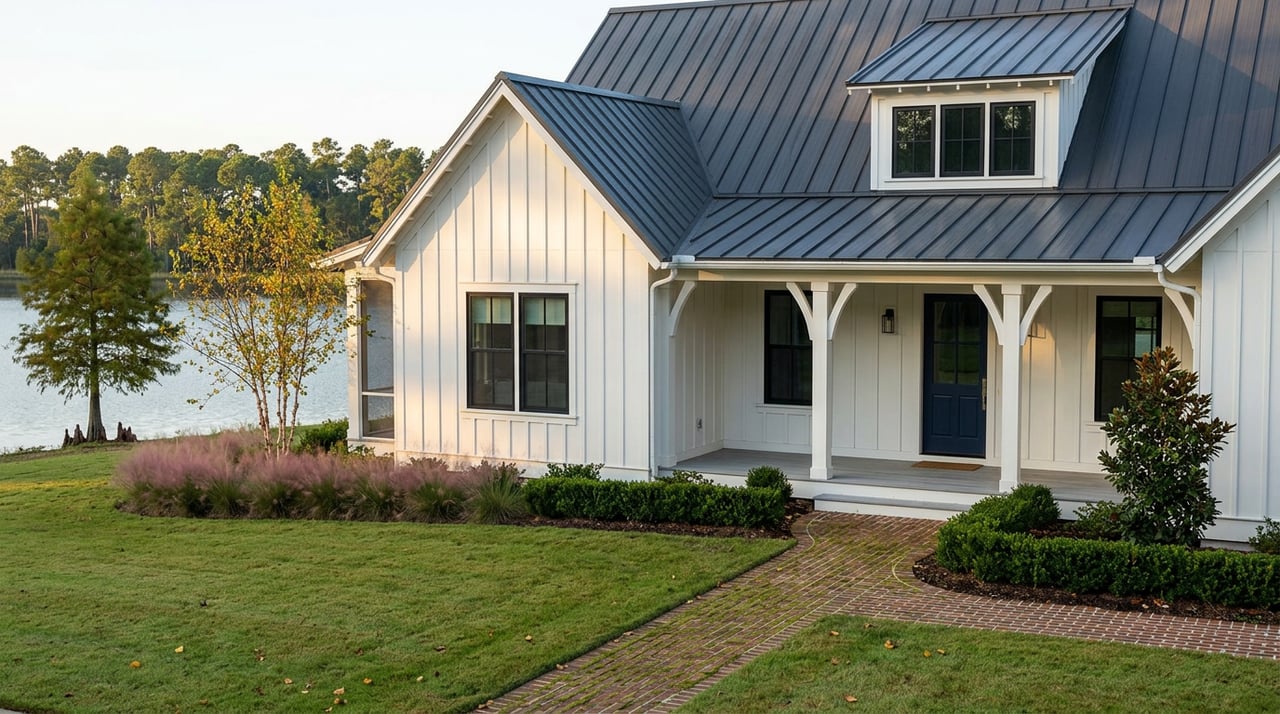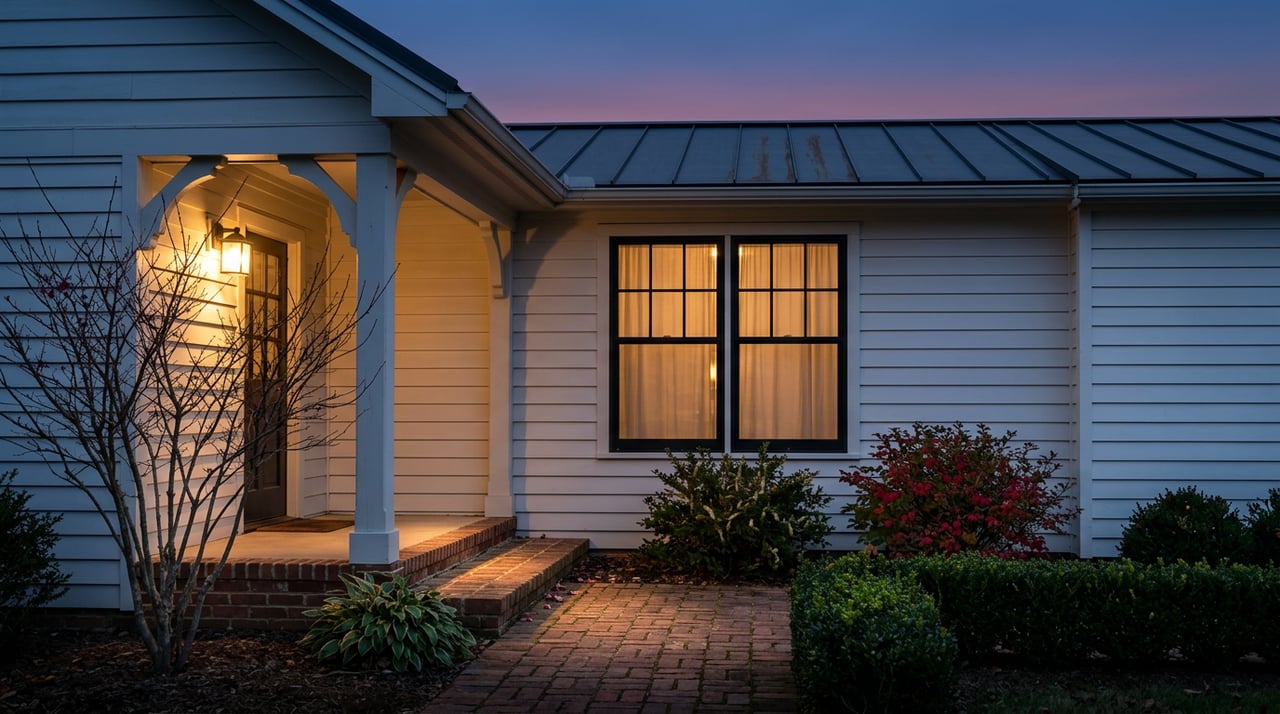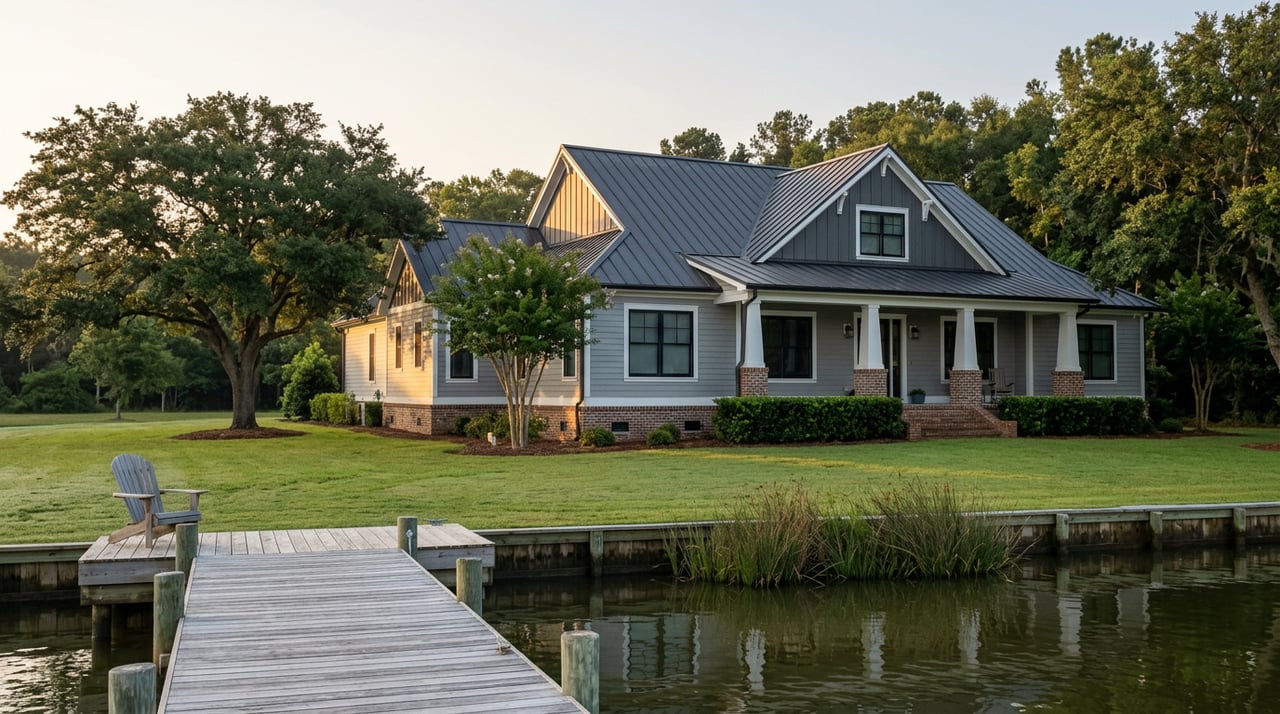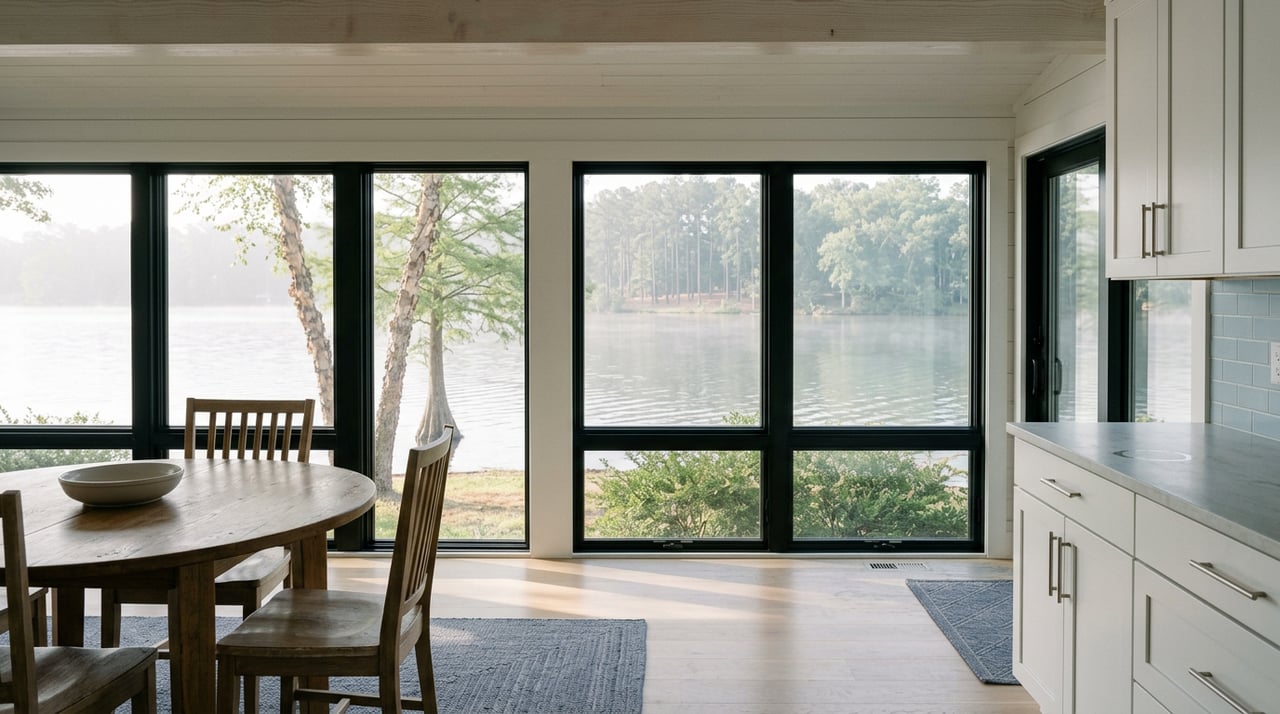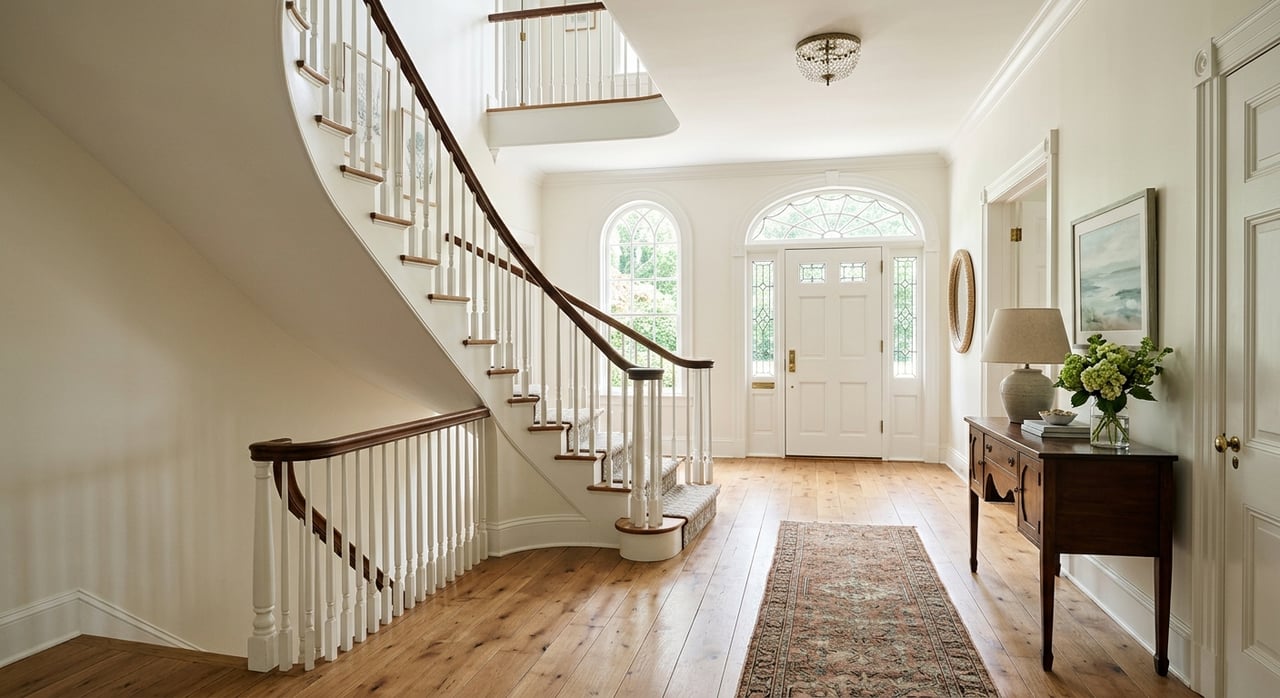
Thinking about buying one of Warrenton’s older homes? It’s easy to fall for the charm first. With streetscapes shaped by centuries of history and architecture that stands out from newer construction, Warrenton offers a lot to love. But if you want to buy with confidence, you also need to look closely at condition, renovation rules, and the true cost of ownership. Let’s dive in.
Why Warrenton draws old-home buyers
Warrenton has deep historic roots. According to the town, its origins trace back to 1779, and the community includes more than 300 structures in its National Register Historic District, with many homes dating from the early 1850s through the late 19th and early 20th centuries.
That history gives many properties real architectural appeal. At the same time, an older home should never be judged by appearance alone. If you are considering a purchase in Warrenton, it helps to separate character from condition right from the start.
Historic district rules matter
If the home is in Warrenton’s local historic district, exterior changes may involve an added layer of review. The town’s guidelines explain that local historic districts are meant to guide change so it remains consistent with the area’s character, not stop change altogether.
That distinction matters because local historic district rules are different from National Register listing. A National Register designation by itself does not automatically restrict private owners using private funds, but local historic district rules may still apply to exterior work.
What the review covers
In Warrenton, Historic District Commission review is limited to exterior changes. Interior alterations and routine exterior maintenance that do not change appearance or materials are outside the design-review process.
Proposed exterior alterations, exterior materials, new construction, major site changes, relocation, and demolition can require a Certificate of Appropriateness. The town says that certificate must be in place before a building permit is issued.
Why this affects your timeline
If you are planning to update an older house soon after closing, approvals can shape your schedule. Demolition requests may even be delayed for up to 365 days while alternatives are considered.
That means a project that looks simple at first can take longer once review, permits, inspections, and contractor scheduling are added in. If you are buying with renovation in mind, ask early whether the home is in the local historic district and what approvals your plans may require.
Inspection areas to prioritize
Older homes often need more targeted due diligence than newer properties. A general home inspection is a strong start, but older-home buyers in Warrenton should pay special attention to water, structural warning signs, wood damage, and older building materials.
Roof and drainage
Roof condition is one of the first things to review. Warrenton’s historic guidelines emphasize preserving historic roofs and paying attention to flashing, gutters, and drainage.
For you as a buyer, that means asking about roof age, prior patch repairs, and any signs of water intrusion. In the historic district, reroofing may also require approval, so roof work may not be as straightforward as a standard replacement on a newer home.
Windows and doors
Original windows and doors are part of what gives many older homes their appeal. Warrenton’s guidelines note that preserving them is often more cost-effective than replacing them.
Still, you should inspect them carefully. Watch for moisture damage, air leaks, insect or fungal damage, corrosion, and failing paint, especially around window sashes, sills, and door frames.
Moisture and foundation concerns
In older homes, moisture control is a big deal. Guidance cited in the research report points to common trouble spots such as foundation cracks, crawl-space leaks, grading problems, roof leaks, flashing issues, poor ventilation, and improper dryer venting.
Water problems can lead to mold, wood damage, and larger repair bills over time. When you walk a property, look beyond finishes and focus on how the house handles water from the roofline to the crawl space.
Termites and wood-destroying insects
Termites are another major concern in older homes. North Carolina guidance notes that subterranean termites need moisture and cellulose, which makes damp wood and poorly managed water conditions a risk factor.
If a wood-destroying insect report notes activity or damage, remember that it is not the same thing as a structural damage report. You may still need a structural engineer, contractor, or other building expert to evaluate what repairs are actually needed.
Lead-based paint
If the home was built before 1978, lead-based paint should be on your radar. The EPA estimates that 87% of homes built before 1940 and 24% of homes built from 1960 to 1978 contain some lead-based paint.
Risk often increases when paint is deteriorating, especially on friction surfaces like doors and window sills. If you plan to renovate a pre-1978 home, ask how any lead-safe work will be handled before walls are opened or painted surfaces are disturbed.
Asbestos-containing materials
Older homes may also contain materials with asbestos. The EPA says the only way to know if a material contains asbestos is through testing, and testing is recommended when materials are damaged or when renovation may disturb them.
If asbestos is a concern, sampling should be done by a trained and accredited asbestos professional. This is especially important if your plans include flooring removal, ceiling work, siding changes, or other demolition.
Planning renovations in Warrenton
Buying an older home is often part lifestyle decision and part project planning. Even if the house is livable as-is, many buyers want to update systems, improve function, or restore historic details over time.
Know the local approval path
For renovations and additions in Warrenton, town guidance directs owners to start with Town staff review. If the property is in the historic district, Historic District Committee review may also be required.
After those steps, Warren County Planning and Zoning handles building permits once code and zoning requirements are met. The key takeaway is simple: before you assume a project can begin right after closing, confirm what reviews and permits apply.
Check well and septic early
Not every older home will be tied to public utilities. Warren County Environmental Health handles on-site sewage sanitation and private well water sampling, so if a property uses a septic system or private well, it is smart to check history and condition early in your due diligence period.
That can help you avoid delays later. It can also give you a clearer picture of future maintenance and replacement costs.
Build extra time into the project
Renovation timelines on older homes often stretch beyond the visible work itself. Historic review, inspections, specialty testing, permit processing, and contractor availability can all affect your start date.
That does not mean the project is not worth doing. It just means you should go in with realistic expectations and a plan that allows for a few surprises.
Budgeting for the real cost
One of the biggest mistakes buyers make with older homes is budgeting only for the purchase price and cosmetic upgrades. In reality, a home with strong curb appeal may still need work related to the roof, windows, drainage, pests, lead, or asbestos.
That is why a contingency fund matters. Even a well-maintained property can reveal hidden issues once inspections become more detailed or renovation begins.
Possible historic tax credit
Some historic rehabilitation incentives may be available, but they come with conditions. North Carolina Historic Preservation Office guidance says private residences in eligible historic properties may qualify for a 15% state credit if approved work exceeds $10,000 and the work is approved before it begins.
Federal historic credits are generally for income-producing properties, not private residences. If you are counting on an incentive, verify eligibility and approval timing before finalizing your renovation budget.
A smart mindset for buying older homes
The best approach is to appreciate the home’s character without skipping the hard questions. In Warrenton, older homes can offer standout architecture, established settings, and details that are difficult to find in newer construction.
But a smart purchase depends on professional inspections, a clear understanding of local review rules, and a budget buffer for repairs that may not be obvious during a first showing. When you treat the process with both excitement and discipline, you put yourself in a much stronger position.
If you are considering an older home in Warrenton or anywhere around the Lake Gaston region, working with a local team that values careful due diligence can make the process feel much more manageable. For practical guidance and responsive support, connect with Scott Watson.
FAQs
What should you inspect first when buying an older home in Warrenton?
- Start with the roof, drainage, windows, doors, moisture conditions, foundation issues, and signs of termites or other wood-destroying insects.
What does Warrenton historic district review cover for older homes?
- Warrenton’s historic review is limited to exterior changes, while interior alterations and routine exterior maintenance that do not change appearance or materials are outside that design-review process.
Do older homes in Warrenton need a Certificate of Appropriateness?
- Some do. In the local historic district, certain exterior alterations, material changes, site changes, relocation, new construction, and demolition may require a Certificate of Appropriateness before a building permit is issued.
Should you test an older home in Warrenton for lead or asbestos?
- If the home was built before 1978 or contains older materials that may be disturbed during renovation, lead and asbestos should be evaluated carefully, with testing and specialty help as needed.
Can you get a tax credit for restoring an older home in Warrenton?
- Possibly. North Carolina says private residences in eligible historic properties may qualify for a 15% state credit when approved work exceeds $10,000 and approval is obtained before work begins.