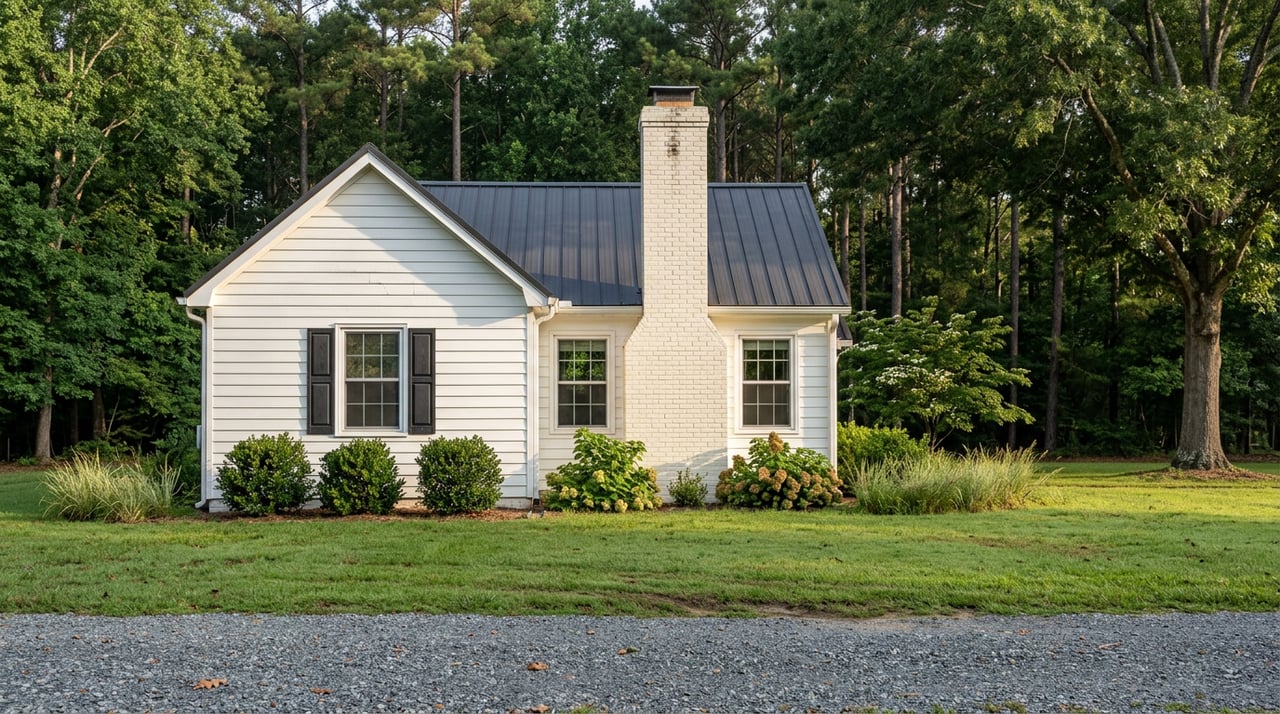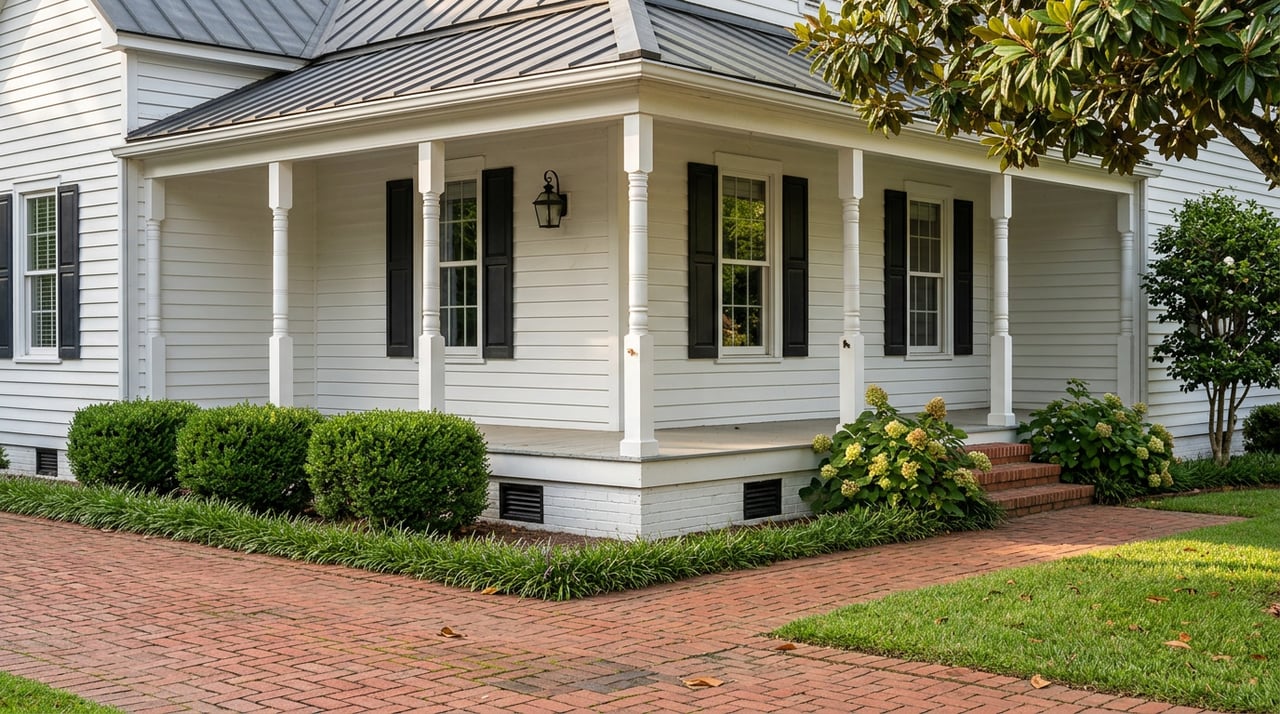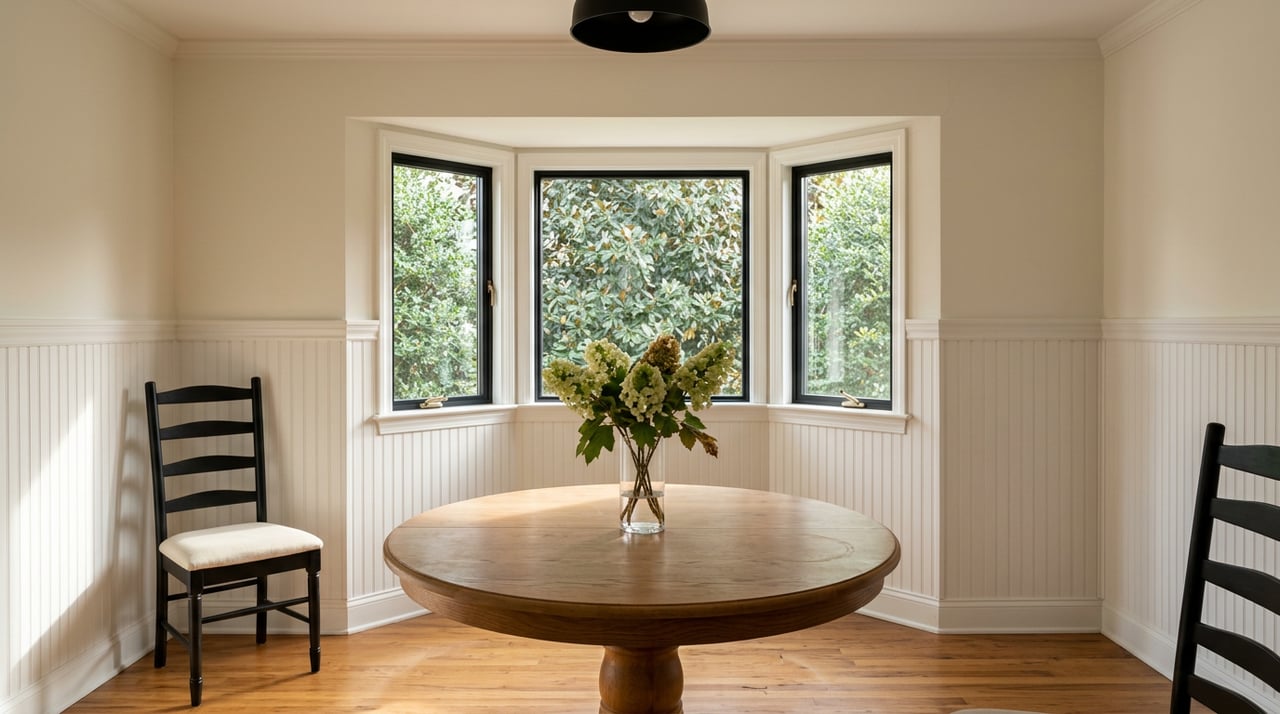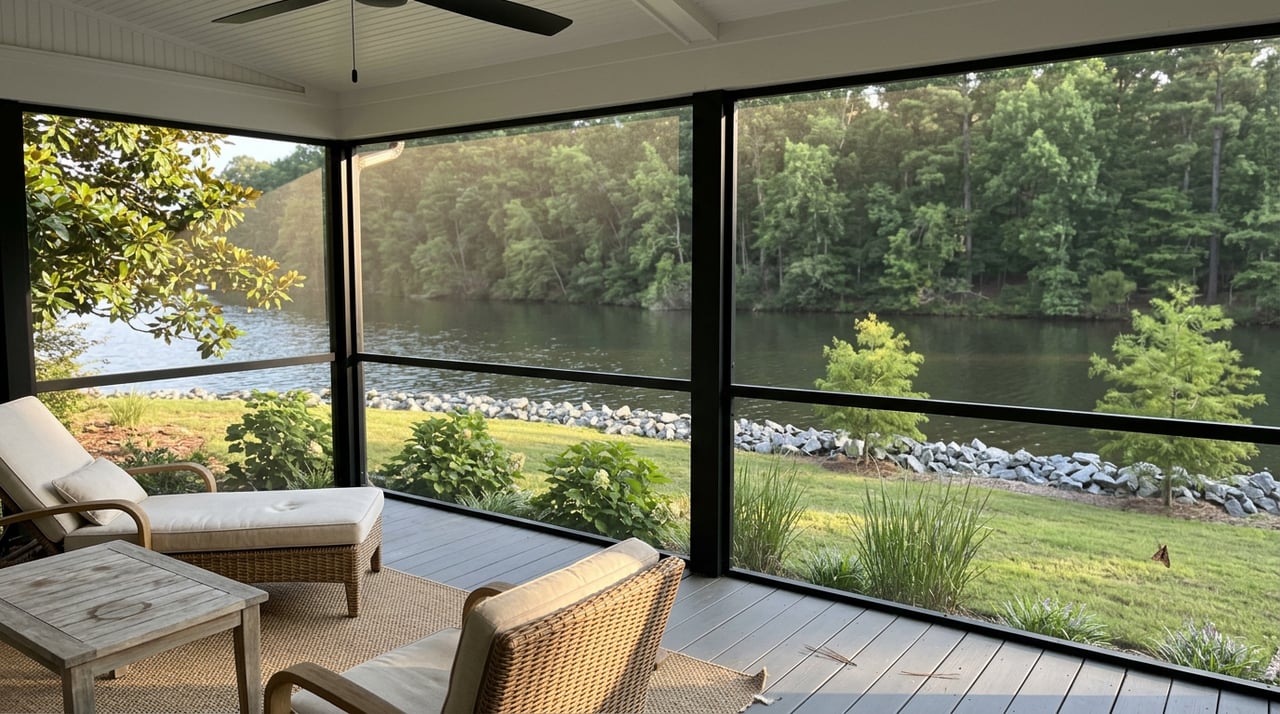
Thinking about buying or updating a vintage Lake Gaston cottage near Macon and not sure whether to flip it or hold it as a rental or second home? You are not alone. Older lake properties can shine with the right plan, but they also come with systems and permitting details that can make or break your return. In this guide, you’ll learn how to scope renovations that keep you compliant and safe, boost market appeal, control timelines, and help you decide whether a quick resale or a longer hold is the smarter move. Let’s dive in.
Start with septic and occupancy
Before you paint a wall or price new cabinets, confirm what the septic system can legally support. Many 1970s–1990s cottages have systems at or near the end of their life and may be undersized for today’s expectations.
- Book a qualified onsite wastewater inspection. Ask the inspector to locate the tank and drainfield, check baffles, and note any backup or surface effluent.
- Pull records from Warren County Environmental Health. Permit history often lists the permitted bedroom count and system type. Your permitted capacity should match your current or planned number of bedrooms.
- Compare capacity to your plan. If you intend to add bedrooms or increase rental occupancy, the system may need repair, expansion, or replacement.
What to expect on costs and options
- Routine inspection and locating are typically a few hundred dollars.
- Tank-only replacement often runs in the low thousands.
- Full replacement with new tank and drainfield can reach the low five figures. Engineered or advanced treatment systems, or poor soils, may push costs into the $20,000 to $40,000 range or more.
- Holding tanks and centralized sewer are rare solutions on Lake Gaston. If available or permitted, they come with limits and maintenance obligations.
Why this matters for flip vs hold
- A documented, permitted system that supports your bedroom count is essential for buyer confidence and for short‑term rental viability.
- If the system is failing or undersized, budget and timeline will lean toward a hold or a phased plan, not a quick flip.
Make your dock electrical safe and rentable
Water and electricity are a high‑risk combination. Legacy wiring at docks can cause shocks, corrosion, and fires. Improving shore power is a win for safety and guest experience, but it requires permits and adherence to the National Electrical Code as adopted in North Carolina.
Smart steps
- Hire a North Carolina‑licensed electrician with marina or dock experience. Ask for a written scope that references the NEC articles specific to docks and shore power.
- Upgrade receptacles to GFCI‑protected, weather‑resistant devices; mount panels and connections above expected flood or wave levels.
- Use marine‑ready materials such as tinned copper conductors, stainless fasteners, and UV‑resistant enclosures.
- Add dedicated circuits for lighting, pumps, and outdoor outlets. Plan shore power loads to prevent nuisance trips when multiple appliances run at once.
Permits, inspections, and budget
- Expect to pull an electrical permit through Warren County Planning & Inspections. Schedule final inspection upon completion.
- If you are building or expanding a dock, additional state or federal reviews may apply. Start that conversation early to avoid delays.
- Simple GFCI upgrades are often in the low thousands. Rewiring with a new panel and bonding rises to several thousand or more depending on distance, trenching, and complexity.
Flip vs hold signal
- If dock electrical is outdated or hazardous, fix it before listing or renting. A clean inspection report becomes a strong disclosure item and peace of mind for guests and buyers.
Exterior upgrades that move the needle
You do not need a full gut to raise value. Target exterior items that protect the structure, improve comfort, and create instant curb appeal while staying within straightforward permit paths.
High‑impact priorities
- Roof: Replace if leaking or older than typical service life. A dry roof protects everything else and is usually a manageable permit item.
- Decks and stairs: Reinforce or rebuild with pressure‑treated lumber or composite. Use stainless hardware for lakeside durability.
- Siding and trim: Repair rot and consider low‑maintenance cladding where budgets allow. Fresh paint and repaired trim can transform first impressions.
- Windows and doors: Energy‑efficient replacements improve comfort and lower HVAC load. This is a solid selling point for both buyers and renters.
- Exterior lighting: Add LED path and entry lighting for safety and visual appeal.
Moisture and comfort
- Improve attic insulation and seal ductwork. Address crawlspace ventilation, vapor barriers, and drainage to reduce mold and rot risk.
- For pre‑1978 structures, test for lead paint before sanding or scraping. Handle any asbestos‑suspect materials with proper testing and protocols.
ROI perspective
- Safety and systems come first. Then curb appeal and guest‑facing updates. Regional Cost vs Value reports commonly show that roof repairs, deck work, targeted siding and paint, and focused kitchen or bath refreshes deliver reliable return when aligned with buyer expectations.
Permits and timing in Macon
Older lake cottages can involve multiple agencies. Mapping the permit path early keeps you on schedule.
Who to contact
- Warren County Environmental Health for onsite wastewater records and permits.
- Warren County Planning & Inspections for building and electrical permits.
- State water resources and, in some cases, the Army Corps of Engineers for docks and shoreline work.
- The county floodplain administrator to check FEMA flood maps and determine whether floodplain rules apply to your project.
Checklist to stay on track
- Pull septic records and order a performance inspection before finalizing scope.
- If the system is undersized, get a soil evaluation and design options from a licensed professional.
- Secure electrical permits for any dock work and schedule final inspections.
- For dock expansions or shoreline changes, confirm state or federal reviews at the start. These can add months.
- Verify whether roof, siding, window, or deck work requires permits and plan inspections into your schedule.
- Check HOA rules or local short‑term rental requirements if you intend to rent.
Flip vs hold: a practical framework
Use a simple, purpose‑driven lens to choose your path. Your goal is to balance safety and compliance, market appeal, and time and cost exposure.
When a flip makes sense
- The septic is documented and sized for your current bedroom count.
- Dock electrical passes inspection with minimal upgrades.
- Exterior work is limited to quick wins such as paint, modest deck repairs, and roof tune‑ups.
- You can create strong first impressions and clear disclosures within a tight timeline.
When a hold makes sense
- The septic needs replacement or an engineered solution to support your desired bedrooms.
- Dock electrical requires a significant rewire or panel relocation above flood levels.
- You plan enhancements that raise occupancy and rental appeal, such as adding a bath, rebuilding decks for safer outdoor space, or improving insulation and windows for comfort.
- Permit lead times or shoreline approvals are likely to extend the project beyond a typical flip window.
Sample budget bands and signals to watch
Use these indicative ranges to sketch feasibility. Site specifics drive final numbers.
- Septic inspection: a few hundred dollars. Full replacement can run into the low five figures. Engineered systems may reach $20,000 to $40,000 or more.
- Dock electrical: simple upgrades in the low thousands; full shore power with new panel and bonding can exceed $10,000 depending on distance and complexity.
- Roof replacement: commonly from around $6,000 to $15,000 depending on size and materials.
- Deck rebuild with composite: roughly $7,000 to $20,000 or more based on size and structure.
- Window replacement: several hundred to more than $1,000 per window depending on type.
Planning tip
- Build a contingency into every scope. Hidden rot, undocumented additions, or outdated plumbing often surface once work begins.
A phased plan for Lake Gaston cottages
Follow a sequence that protects safety, controls permits, and ramps up value.
- Pre‑purchase or pre‑listing
- Order a septic inspection and pull county records.
- Check FEMA flood maps for the parcel.
- Get a quick dock electrical safety audit by a licensed electrician.
- Essential safety and compliance
- Address septic failures or capacity limits first.
- Upgrade dock electrical with GFCI protection, bonding, and proper materials.
- Fix roof leaks and structural deck issues.
- High‑impact exterior improvements
- Paint and repair siding and trim.
- Rebuild or resurface decks for safe outdoor living.
- Replace windows and doors as budget allows.
- Interior refresh and comfort
- Tidy kitchens and baths with targeted updates that meet market expectations.
- Improve insulation, seal ducts, and address moisture.
- Closeout and documentation
- Collect final inspections and permits for septic, electrical, and building work.
- Keep flood elevation certificates if applicable.
- Assemble disclosures and maintenance schedules for your listing or rental binder.
Documentation that protects value
When you sell or go live as a rental, keep these items handy:
- Septic inspection, permits, and any as‑built drawings.
- Electrical permit and final inspection for dock work.
- Building permits and finals for roof, deck, window, or structural work.
- Flood elevation certificates if in a regulated flood zone.
- Proof of lead or asbestos testing and any remediation records where applicable.
Work with local specialists who know Lake Gaston
Renovating near the water adds unique layers, from septic sizing to shoreline power and flood considerations. You deserve a partner who understands the technical side and the lifestyle you are aiming for. If you are weighing flip vs hold in Macon or anywhere around Lake Gaston, our team can help you scope, prioritize, and position the property so you capture the right return for your goals.
Ready to map your best path and see what your cottage could be worth today? Get your free Lake Gaston home valuation with The Watson Group.
FAQs
What should I check first when renovating an older Lake Gaston cottage in Macon?
- Start with septic capacity and condition, then dock electrical safety, followed by roof and deck integrity. These items drive compliance, insurance, and resale or rental potential.
How do I know if my septic supports my planned bedroom count?
- Pull the permit records from Warren County Environmental Health to confirm the permitted bedrooms, then compare to your layout. If you plan to add bedrooms, consult a licensed septic professional for design options.
Do I need a permit to upgrade dock electrical on Lake Gaston?
- Yes. Electrical work at docks typically requires a permit and final inspection through Warren County Planning & Inspections. Use a North Carolina‑licensed electrician with dock experience.
Which exterior upgrades deliver the best return on older cottages?
- Roof repairs or replacement, safe deck rebuilds, siding and paint refreshes, and targeted kitchen or bath updates typically offer reliable value when aligned with buyer expectations.
When is a flip realistic versus a hold or rental strategy?
- A flip can work when septic capacity is documented, dock electrical passes with minor work, and exterior updates are quick wins. Choose a hold when septic or shoreline systems need larger upgrades or when permitting adds meaningful time.