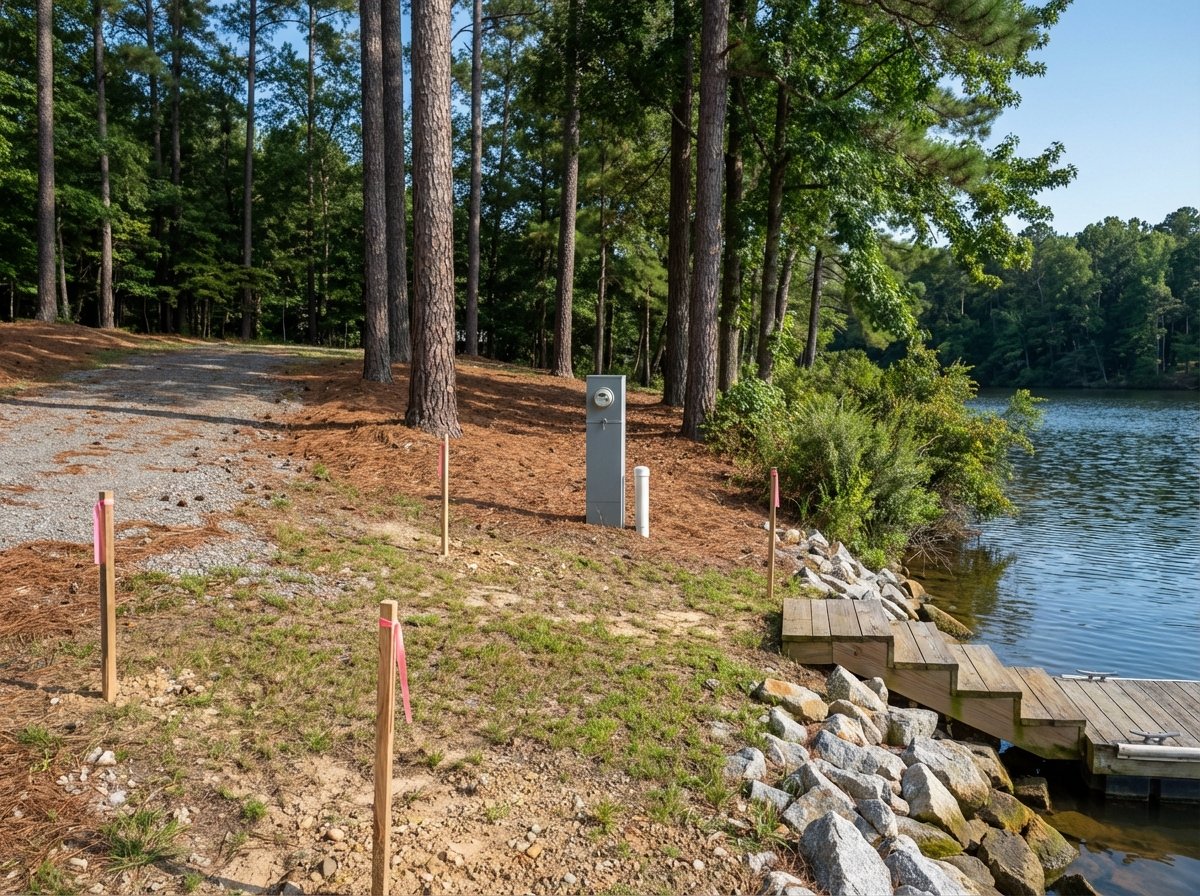
Thinking about buying a waterfront lot in River Lakes on Lake Gaston? You want big-water views, a future-ready dock, and a site that builds smoothly without permit surprises. The right lot sets you up for years of easy lake living. In this guide, you will learn what to check, who to involve, and how to compare lots so you choose with confidence. Let’s dive in.
Know the lake context
Lake Gaston stretches across the North Carolina and Virginia line with roughly 20,000 to 20,300 surface acres and several hundred miles of shoreline. You will find it touching multiple counties, including Halifax and Northampton in North Carolina. Get a quick overview from the local chamber’s summary of the lake’s size and footprint to ground your search. The Lake Gaston Regional Chamber of Commerce explains the basics.
Licensing and permits at Lake Gaston
On Lake Gaston, shoreline use is not a free-for-all. The utility that manages the reservoir oversees much of the water’s edge. Before you place a dock or any in-water structure, plan on a shoreline-use license with the utility where applicable. Dominion Energy lists Lake Gaston in its lakes and recreation program, and local practice commonly includes a Dominion shoreline license in addition to county permits.
In-water work can also trigger federal and state reviews. The U.S. Army Corps of Engineers regulates many activities below the waterline. Depending on your plans, you may need a Nationwide Permit or another authorization. Read the overview of permits under the USACE Regulatory Program. State water-quality certification and county building or land-disturbance permits often apply too. Expect multi-agency coordination for docks, shoreline stabilization, or dredging.
Compare lots by what matters
Orientation and wave exposure
Sun and wind shape your daily experience. South or west exposure can mean warmer evenings and vivid sunsets, while long, open water in front of a lot can bring stronger waves. More wave energy means heavier-duty dock design and greater erosion risk.
Key checks:
- Visit at different times of day and on windy days.
- Ask nearby boaters about prevailing summer and winter winds.
- Note if the lot faces a long, open arm, since long fetch equals more wave energy.
- If exposure is high, plan for a stronger dock design and potentially more engineering.
Shoreline rights and access
Not every “waterfront” situation is the same. Your deeded rights and any shoreline license will determine if you can build a private dock or need to use a community ramp or marina slip. Review the differences and what to request in writing with this practical overview of shoreline management rules for Lake Gaston owners.
Types you might see:
- Private riparian lot with direct frontage. Confirm riparian rights, who manages the lakebed, and whether a Dominion shoreline license is required.
- Deeded community access or shared ramp. Review POA maps, rules, and maintenance obligations.
- Marina slip. Check waitlists, rules, fees, and how far it is from the lot. Nearby marina and ramp options are summarized on Visit Halifax’s Lake Gaston page.
Documents to request early:
- Recorded deed and recent plat.
- Copies of any prior dock or shoreline permits, plus any Dominion shoreline license.
- POA/HOA covenants and meeting minutes if shared facilities are involved.
Topography, soils, and septic
Slope, soils, and septic capacity will drive site work and build costs. Steeper lots need more grading and foundation planning. Many Lake Gaston parcels use private wells and on-site septic systems, so soil evaluations matter for full-time use.
What to order:
- A boundary survey that shows the ordinary high-water line and elevations. Work with a local surveyor who understands Lake Gaston shorelines. An example of local surveying capacity is listed here: Bradley Surveying in the Gaston/Henrico area.
- Recent soil work, septic permit history, or new perc and site evaluations. For raw lots or older systems, an inspection and improvement-permit eligibility check are standard steps. Find a helpful overview of typical wastewater and shoreline steps in this Lake Gaston shoreline rules summary.
- If the lot is low and flat, prepare for possible elevation and engineered shoreline protection.
Utilities and connectivity
Utility access affects both daily living and construction logistics. Confirm if electricity is at the lot or needs an extension, what type of service is available, and whether the neighborhood has municipal or community water or if you will use a private well. Also confirm broadband options and cellular coverage if you plan to work remotely.
Practical steps:
- Ask the seller or agent for provider info and recent bills.
- Run an on-site speed test and verify cell coverage.
- Confirm trash pickup, propane options, and driveway access for deliveries.
Title, easements, and riparian rights
Owning the upland lot does not always include the right to place a dock. Recorded easements, HOA rules, and shoreline licenses can control what you can do. Parts of Lake Gaston’s shoreline and lakebed are managed by the utility, and a Dominion license can be required even when county approvals are in place. Review a concise primer here: shoreline management rules for Lake Gaston owners.
What to verify with an attorney and title company:
- Recorded easements that cross the lot or the shoreline.
- Any Dominion shoreline license tied to the property.
- HOA covenants that limit docks, rentals, or site changes.
Flood risk and water-level checks
Many waterfront parcels sit in FEMA flood zones. Flood insurance and elevation requirements can affect your budget and design. Before you commit, confirm the official flood zone and collect any available elevation documents.
Quick tool:
- Look up the parcel at the FEMA Flood Map Service Center. If it is in a Special Flood Hazard Area, lenders may require flood insurance.
HOAs, covenants, and community rules
River Lakes and nearby neighborhoods may have POA or HOA guidelines that shape dock specs, architectural review, rentals, and transfer procedures for shared access. These rules can decide whether your plans will work.
Ask for:
- Current CC&Rs and recent meeting minutes.
- Fee schedules and rules for transferring dock licenses or common-area use.
- Whether HOA approval is required before county or Dominion submittals. Learn more in this Lake Gaston shoreline and permitting guide.
Who to involve and when
The right team saves time and avoids missteps. Here is a smart sequence for a River Lakes lot.
Professionals to engage:
- Local buyer’s agent. Start here. A Lake Gaston specialist will pull CC&Rs, prior permits, seller disclosures, and point you to reliable local contractors.
- Licensed surveyor. Before removing contingencies, order a survey that shows the high-water line and easements.
- Title company or real-estate attorney. Review recorded licenses, leases, and restrictions.
- Soil scientist or septic designer. For raw lots or older systems, confirm improvement-permit eligibility and system size.
- Marine contractor or dock designer. Pre-check Dominion and USACE constraints and design to reduce complexity.
- Civil or shoreline engineer. Involve if you plan bulkheads, large riprap, or dredging. Many agencies require engineered plans for these.
- Builder or general contractor. Bring in early to price grading, driveway, and foundation options.
Realistic timelines:
- Preliminary checks and document requests. Days to two weeks.
- Survey and soil work. One to four weeks depending on schedules.
- County permits for simple onshore work. Often two to eight weeks depending on workload.
- USACE, state water-quality, and Dominion approvals. Often the longest steps, from weeks to months. See program details at USACE Regulatory and Dominion Lakes and Recreation.
River Lakes due-diligence checklist
Use this list to keep your purchase on track. Add items as contingencies where possible.
Immediate requests and lookups:
- Ask the seller or agent for the recorded deed, recent survey, any dock or shoreline permits, any Dominion shoreline license, and all HOA/POA covenants and recent minutes. See this overview of Lake Gaston shoreline rules.
- Check the parcel at the FEMA Flood Map Service Center for the official flood zone.
- Confirm whether water is municipal or by private well. Verify electrical service point and any needed extension.
Contract contingencies to order:
- Boundary survey that shows the ordinary high-water line and any recorded easements. A local firm such as Bradley Surveying in the Gaston/Henrico area illustrates regional capacity.
- Septic inspection and soil or site evaluation to confirm improvement-permit eligibility and system size.
- Well test for yield and water quality if the lot will use a private well.
- Site feasibility review by a builder or engineer for driveway, grading, retaining, and foundation costs.
- Dock feasibility consultation with a marine contractor, including whether a Dominion license or USACE pre-construction notification is likely.
Title and legal checks:
- Full title commitment and attorney review for any Dominion license, deeded access rights, and third-party easements or restrictions.
Other smart tests:
- Internet and cell coverage checks on site.
- Drive the route during weekday mornings and summer weekends to gauge traffic, access, and staging constraints. Local marina listings on Visit Halifax’s Lake Gaston page can hint at peak activity near public ramps.
Red flags to pause a deal
Watch for issues that can derail your plans.
- No reliable survey or title exception that hides a revocable, non-transferable shoreline license.
- Soil or septic conditions that cannot support your intended occupancy.
- Noticeable erosion or prior shoreline work with no recorded permits.
- HOA or POA rules that prevent your intended dock, rental plan, or design.
Marinas and services near River Lakes
Map out support ahead of time for a smoother build and easier weekends. Look for fuel docks, pump-outs, service bays, and winter storage within a quick run from your lot. The Visit Halifax Lake Gaston page lists public ramps, marinas, and launch sites you can compare as you narrow locations.
Your next step
The right Lake Gaston lot in River Lakes should fit your lifestyle and build plan, and it should check out on shoreline rights, septic, utilities, and flood risk. If you want help pressure-testing a short list or pulling the right documents, reach out. Scott Watson and The Watson Group specialize in Lake Gaston waterfront and land, and we will guide you through permits, dock feasibility, and local approvals so you buy with clarity.
FAQs
What permits are needed for a Lake Gaston dock?
- Expect a Dominion shoreline-use license where applicable, plus USACE authorization for in-water work, state water-quality review, and county permits for related construction.
How do I confirm a River Lakes lot can support septic?
- Order a soil and site evaluation with the county environmental health office and a septic designer to confirm improvement-permit eligibility and system capacity.
Who controls Lake Gaston shorelines and why does it matter?
- The managing utility oversees shoreline use in many areas, so a Dominion shoreline license can be required even when county approvals exist and it affects dock design and placement.
How do I check flood insurance needs for a waterfront lot?
- Look up the parcel at FEMA’s Flood Map Service Center to verify the flood zone, then consult your lender and insurance pro to estimate premiums and elevation needs.
What if my lot has only community lake access and no private dock rights?
- Review the POA documents for rules and maintenance, confirm access on the plat and in title, and weigh the cost and convenience compared with a private dock option.