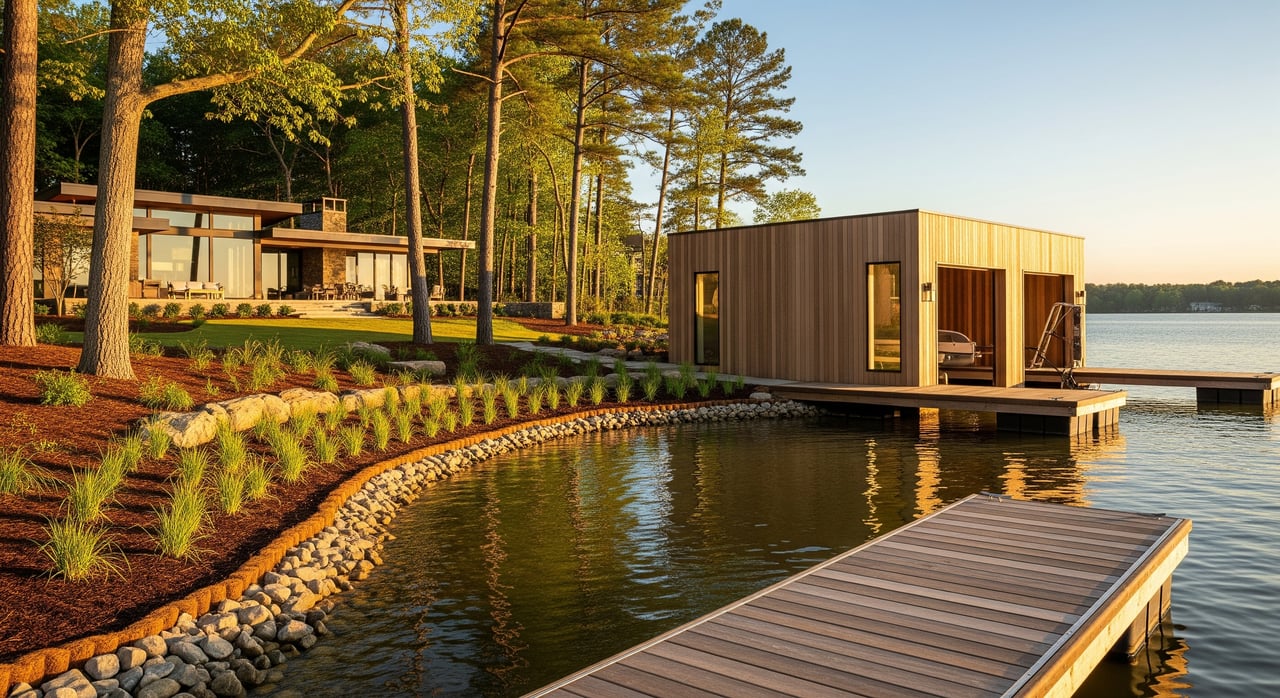
Planning a dock, trimming trees, or adding riprap at your River Lakes property? The rules on Lake Gaston can feel layered and confusing, especially with multiple agencies involved. You want a clear path that protects your shoreline, keeps you in compliance, and avoids delays during construction or closing. This guide breaks down the key rules, who to contact, and the steps to take before you start. Let’s dive in.
Who regulates Lake Gaston shorelines
Lake Gaston projects often involve several jurisdictions. Which ones apply depends on whether your lot is on the North Carolina side, whether work touches navigable waters or wetlands, and whether Dominion Energy manages land or lakebed near your shoreline. Your River Lakes community rules also apply.
- Dominion Energy: Oversees reservoir operations and often licenses docks or structures that affect lake-managed lands. A Dominion license can be required in addition to government permits.
- U.S. Army Corps of Engineers (USACE): Regulates structures and fill in navigable waters and wetlands under Section 10 and Section 404. Many smaller projects use Nationwide Permits, but you may still need an authorization or notice.
- North Carolina agencies: The NC Department of Environmental Quality handles water quality certifications, buffers, and erosion or stormwater concerns. The NC Wildlife Resources Commission covers boating and habitat considerations.
- County or municipal offices: Local zoning, setbacks, erosion control, and inspections.
- River Lakes POA: Community covenants, architectural approvals, and design standards that are separate from government permits.
The practical takeaway is simple. You often need approvals from the POA, Dominion, the county, and state or federal agencies. Skipping any one of them is a common cause of stop-work orders.
What rules apply at River Lakes
Rules vary by property and project scope. The categories below outline what owners usually face around Lake Gaston.
Docks, piers, and lifts
Most single-family docks are limited to residential use with restrictions on total size, length into the lake, and the number of slips per lot. Floating docks are often simpler to authorize than fixed pilings, but both require proper approvals. Electrical or water service on a dock typically needs additional permits and inspections. You must also meet navigation and safety clearances and honor any no-wake zones.
In many cases, you need a license from Dominion Energy to place a dock where the utility controls adjacent lands or the lakebed. That license is separate from county, state, or federal permits.
Vegetation and buffers
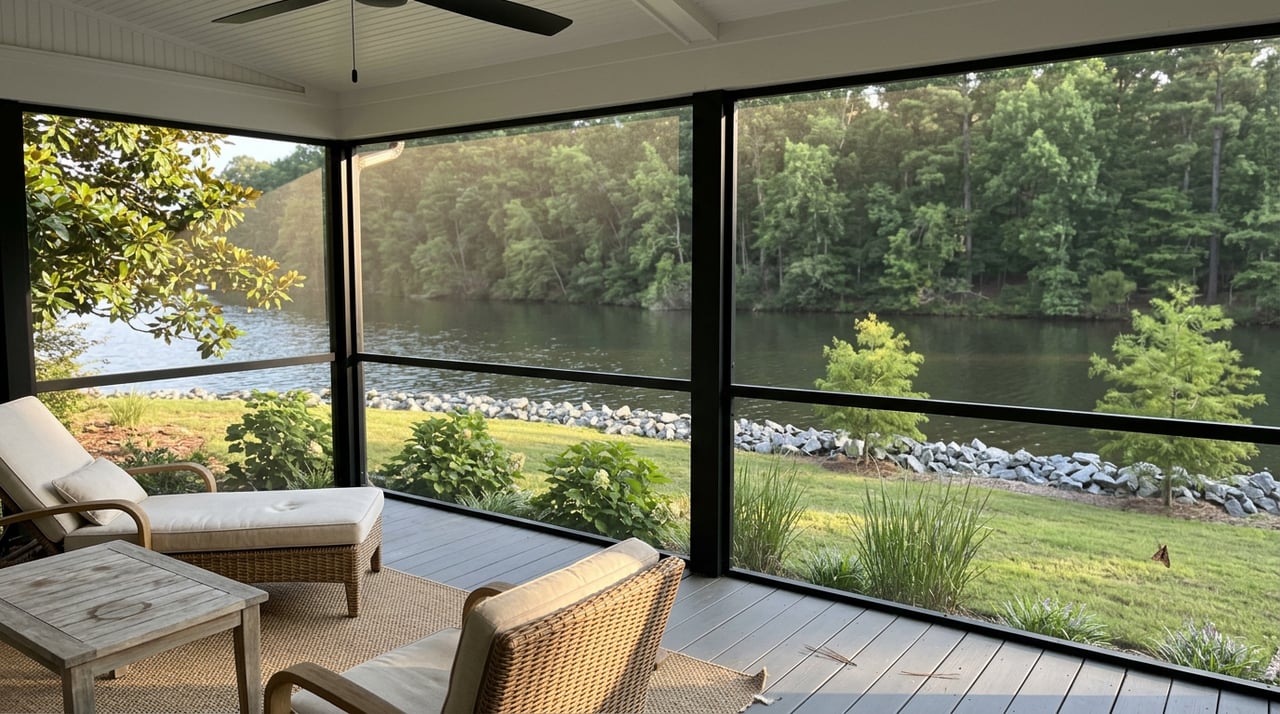
Agencies generally encourage soft, vegetated buffers along the shoreline to control erosion and protect water quality. Large-scale clearing near the waterline is commonly restricted. Selective pruning to preserve views is often allowed, but full tree removal or grading within the buffer may require approval or mitigation. In many places, example buffer zones run 10 to 30 feet from the water, though exact distances vary by site and regulator.
Shoreline stabilization
Hard structures like bulkheads and seawalls typically face stricter review because they can alter sediment movement and affect neighbors. Riprap may be permitted but often needs engineering and approvals, especially if it replaces softer shoreline. Soft stabilization options, such as native plantings, live stakes, coir logs, and bioengineered treatments, are commonly preferred. Any placement of fill below the ordinary high-water mark is likely to trigger USACE and state review.
Wetlands and habitats
If your project touches wetlands or mapped aquatic resources, expect federal and state wetland rules to apply. Projects that could affect threatened or endangered species may require special consultation before work can proceed.
Erosion and construction practices
Local and state rules usually require erosion and sediment control plans for shoreline grading, especially when land disturbance exceeds a set area. Best practices such as silt fencing and turbidity curtains for in-water work are often required. Plan for inspections as a condition of your permits.
Plan and permit step by step
A little early planning can save weeks of back-and-forth later. Use this roadmap before you start design or construction.
- Confirm jurisdiction
- Identify that your property is on the North Carolina side and note your county or municipality.
- Check whether Dominion Energy owns or manages land at your shoreline or the lakebed.
- Gather documents
- Deed, plat, and a current boundary survey showing the high-water line and any easements.
- River Lakes POA covenants and architectural control rules.
- Copies of prior permits or approvals for existing docks or shoreline work.
- Make preliminary contacts
- River Lakes POA: Get community rules and application requirements.
- Dominion Energy: Ask about shoreline licensing and any company approvals.
- County planning/permitting: Confirm zoning setbacks, erosion-control triggers, and inspections.
- Engage the right pros
- Licensed surveyor to confirm lines and the high-water mark.
- Environmental consultant or engineer if you plan stabilization or work near wetlands.
- A contractor experienced with Lake Gaston docks and permitting.
- Identify permits you need
- USACE Section 10/404 authorization, often via a Nationwide Permit; some projects require pre-construction notice or individual permits.
- State approvals such as water quality certification from NCDEQ.
- County zoning, land-disturbance, erosion-control, and any electrical/building permits.
- Dominion Energy shoreline license, if applicable.
- River Lakes POA architectural approval.
- Submit and coordinate
- File applications and be ready to adjust plans based on agency comments.
- Expect coordination cycles. Design tweaks or mitigation may be required.
- Build with compliance in mind
- Install erosion and turbidity controls as required.
- Schedule inspections and keep work within approved limits.
- Keep records
- Maintain copies of permits, licenses, and as-built drawings. Good documentation helps with future refinances or sale.
Timeline expectations: A simple floating dock with no wetland impacts can sometimes move through approvals in a few weeks once applications are complete. Complex stabilization or projects that need individual permits can take several months.
Costs, timelines, and closings
Project costs vary widely. A basic floating dock with installation can run from the lower thousands into the mid–five figures depending on size and features. Engineered bulkheads or extensive stabilization often cost tens of thousands or more. Add professional fees for survey, engineering, and permit preparation.
Permit fees for straightforward local or state approvals are often modest to a few hundred dollars. Federal permits can add time and professional costs even when direct fees are limited. Administrative or POA approvals may take days to a few weeks. Local permits for simple projects often run 2 to 8 weeks. USACE and state authorizations involving wetlands or fill can take weeks to several months.
For buyers and sellers, documentation is critical. Confirm that any existing dock or shoreline work was permitted and that permits or licenses are on file. Ask for copies of any Dominion shoreline licenses and understand whether they are revocable or require a transfer. Order a survey and title review to clarify riparian rights, easements, and any covenants that affect the shoreline.
Local contacts to call
For the latest, project-specific guidance, go directly to the source:
- River Lakes Property Owners Association: Community covenants, design approvals, and dock rules.
- Dominion Energy, Lake Gaston operations: Shoreline licensing and water-level considerations.
- U.S. Army Corps of Engineers: Section 10/404 authorizations and Nationwide Permit guidance.
- North Carolina Department of Environmental Quality: Water quality certifications, buffers, stormwater, and erosion control.
- North Carolina Wildlife Resources Commission: Boating rules and habitat considerations.
- County planning and permitting: Zoning setbacks, land-disturbance permits, and inspections.
- U.S. Fish and Wildlife Service or state natural heritage programs: Endangered species or critical habitat review if needed.
How The Watson Group helps
As a locally rooted Lake Gaston team, we focus on helping you spot shoreline issues early and move through transactions with fewer surprises. We guide you on what to request from sellers, when to bring in surveyors or engineers, and how to align POA, Dominion, county, and state steps so your build or sale stays on track. Our combination of technical know-how and high-touch service is designed for waterfront owners who want clarity, not guesswork.
Thinking about a new dock, listing your home, or verifying permits before you buy? Reach out to Scott Watson for local insight, document checklists, and a plan tailored to your River Lakes property. Get your free Lake Gaston home valuation and a straightforward path to your next step.
FAQs
Do River Lakes owners automatically have a right to build a dock?
- Not automatically. You often need POA approval, a Dominion license if applicable, county permits, and state or federal authorization depending on the design and location.
Who owns the lakebed near my River Lakes lot?
- Ownership varies by parcel and title. Parts of the shoreline or lakebed may be managed by Dominion Energy. A survey and title review clarify boundaries and rights.
Can I remove trees to improve my view at Lake Gaston?
- Selective pruning is often allowed, but removal within buffer zones may require approval or mitigation. Regulators encourage preserving native vegetation to limit erosion.
Do I need an engineer for shoreline stabilization?
- Many hard-structure projects, like bulkheads or large riprap, need engineered plans. Smaller soft-shore treatments may proceed with an experienced contractor, depending on local requirements.
What if a neighbor’s dock affects my access or view?
- Start with POA rules and county navigation standards. Agencies regulate safety, navigation, and environmental impacts rather than views. Legal advice may be needed for disputes.
How do I account for changing lake levels in my dock design?
- Coordinate early with Dominion Energy on typical lake level management and consider a design that maintains safe access and clearance through expected fluctuations.