Looking for a second home that feels exciting in July and still makes sense in January? At Lake Gaston, the lifestyle is not just about peak summer weekends. It is about understanding how the lake changes through the year so you can choose a property that fits the way you actually plan to use it. If you are considering a place in the River Lakes area and the wider Lake Gaston market, this guide will walk you through what each season really looks like. Let’s dive in.
Why Lake Gaston Works Year-Round
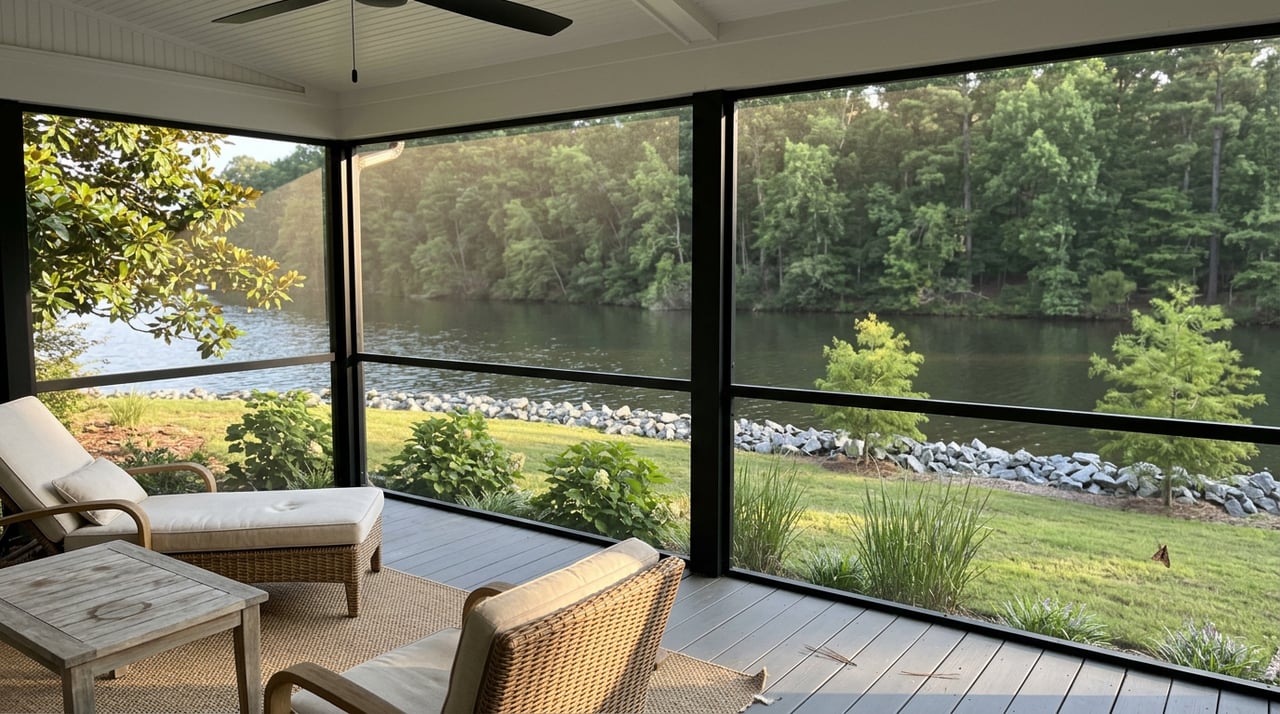
Lake Gaston offers the scale and setting many second-home buyers want. It spans about 20,300 acres, stretches roughly 34 miles, and has around 350 miles of shoreline across the North Carolina and Virginia border. That size helps create a lifestyle with room for boating, fishing, waterfront downtime, and quieter off-season escapes.
For many buyers, the appeal is not just the water. It is the mix of recreation, practical access, and a regional rhythm that changes by season without shutting down completely in winter. Around Lake Gaston, you can enjoy busy holiday weekends, calm fall afternoons, and mild winter visits that still feel worthwhile.
Spring at Lake Gaston
Spring is the lake’s ramp-up season. Temperatures near Roanoke Rapids typically climb from average highs and lows of 59.8 and 37.4 in March to 77.8 and 56.6 by May. That gradual warm-up means spring often feels active and promising, but not quite at full summer pace.
This is when many second-home owners start reopening the house, checking the dock, and planning longer weekends. The Lake Gaston Day Use Area opens March 11 through November 10, which helps mark the return of regular warm-weather use around the lake. Public amenities there include a beach, fishing area, ADA-accessible fishing pier, boat ramp, picnic shelter, playground, grills, and horseshoe pits.
Spring also has a unique lake-management backdrop. Dominion Energy notes that fish-spawn operations run from March 1 through June 15, which is part of why the lake can feel like it is coming alive before peak vacation season arrives. If you enjoy getting ahead of the summer rush, spring can be one of the most rewarding times to use a second home here.
What spring means for owners
Spring is a good time to focus on both lifestyle and logistics. You can enjoy milder weather while also getting ahead on property readiness.
- Inspect outdoor spaces after winter
- Confirm dock and shoreline condition
- Test lake-access features before summer guests arrive
- Review any prior shoreline permits tied to the property
Summer at Lake Gaston
Summer is the season most buyers picture first, and Lake Gaston delivers that classic waterfront experience. Average temperatures near Roanoke Rapids reach 85.3 and 65.4 in June, 89.4 and 69.7 in July, and 87.5 and 67.9 in August. This is the heart of boating, swimming, and full-weekend lake living.
The local summer rhythm centers on the water. The Lake Gaston area is known for boating, sailing, tubing, water skiing, wakeboarding, and jet skiing. It is also a draw for anglers and boaters who want a large reservoir with room to spread out.
Warm-weather community events add to the lifestyle. The local calendar includes fireworks around the Fourth of July, the Littleton/Lake Gaston Festival on Labor Day weekend, and seasonal community gatherings such as Littleton’s summer concert series and Freedom Fest. For second-home owners, that means summer is not only about being on the dock. It is also about having nearby ways to enjoy the region with friends and family.
What summer means for buyers
If you are shopping for a second home during summer, it is often the easiest time to evaluate how a property lives in real conditions. You can see how the dock functions, how the lot handles activity, and how boating access fits your goals.
Pay close attention to:
- Dock layout and condition
- Water depth and access at the shoreline
- Outdoor entertaining space
- Parking and guest flow on busy weekends
- Whether any shoreline improvements were properly permitted
Water Levels Matter More Than You Think
At Lake Gaston, water levels are part of the ownership story. Dominion Energy says normal lake operations generally keep the water between 199 and 200 feet above mean sea level. During flood-control operations, water can use 200 to 203 feet of flood storage, and when levels rise above 200 feet, some docks and yards may be affected depending on the property’s elevation.
For you as a second-home buyer, this is one of the most important practical details to understand. Two waterfront properties can feel very different based on lot slope, shoreline design, dock placement, and how the yard interacts with changing lake levels. A home that looks perfect on a sunny showing day should also make sense when conditions are less predictable.
Fall at Lake Gaston
Fall is one of the most underrated seasons for second-home living at Lake Gaston. Temperatures cool gradually, with average highs and lows around 81.7 and 61.8 in September, 71.4 and 50.2 in October, and 61.1 and 39.8 in November. That kind of weather supports longer weekends and more relaxed lake time after the summer rush fades.
For many owners, fall feels calmer and easier. The lake is typically less crowded, the air is more comfortable, and outdoor time can shift from all-day water sports to porch mornings, boat rides, fishing, and small-town events. The Warren County Growers Association farmers market runs on Saturdays from mid-April through October, giving the area a continued seasonal pulse well past midsummer.
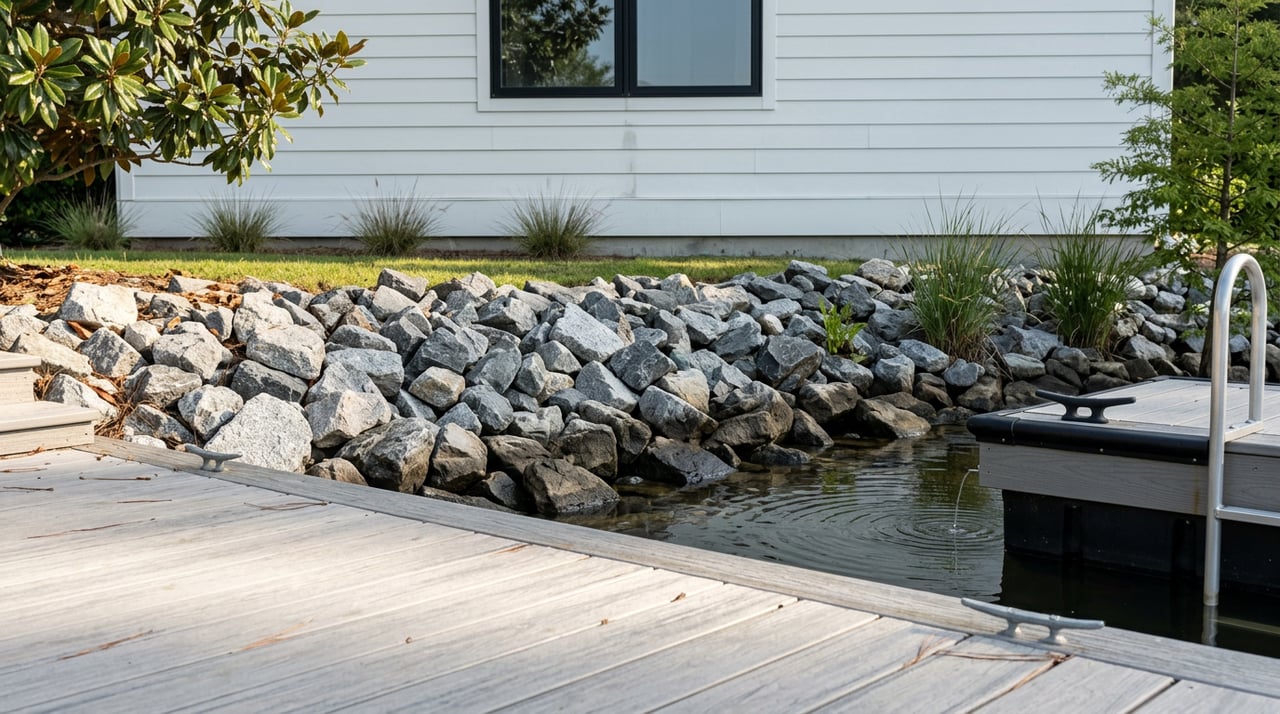
Fall is also a smart season for due diligence. If you are buying a second home, this is a great time to review dock history, shoreline work, and permit records. Dominion’s shoreline permitting process applies to new docks, dock modifications, rip rap, dredging, and vegetation manipulation, so it is important to know what has been approved and what may require future review.
Why permit history matters
At Lake Gaston, shoreline features are not just cosmetic. They can affect how you use the property and what changes may be possible later.
Before you buy, it helps to verify:
- Existing dock status
- Past shoreline modifications
- Rip rap or dredging history
- Whether vegetation work was authorized
- What future changes may need Dominion approval
Winter at Lake Gaston
Winter at Lake Gaston is quieter, but it is not a dead season. Average temperatures near Roanoke Rapids are relatively mild, with December at 52.7 and 33.8, January at 49.5 and 30.0, and February at 52.5 and 31.7. For many second-home owners, that makes winter visits realistic, especially compared with colder northern lake markets.
This season is often more about maintenance, peaceful weekends, and occasional fishing than nonstop recreation. Virginia DWR notes that walleye fishing is usually best in the upper end during February and March. It also advises boat owners to make sure boats, motors, and trailers leave the lake free of hydrilla, which is an important practical habit for owners using the lake in cooler months.
The area also continues to offer year-round restaurants, shopping, and cultural activities. That means winter can feel quieter without feeling cut off. If you want a second home that still has life beyond summer, that is an important part of the picture.
Off-Season Home Care Tips
If your Lake Gaston home will sit vacant at times, winter preparation matters. NC State Extension recommends a few key steps that fit the realities of off-season ownership in this region.
Here are some of the basics:
- Know where the main water shutoff is located
- Seal air leaks around pipes
- Insulate pipes in crawl spaces and attics
- Disconnect and drain outdoor hoses
- Keep interior heat set at no less than 55 degrees
- Arrange for someone to check the home daily if it will be vacant
These are not dramatic tasks, but they can make a big difference. A second home should feel manageable, and a good ownership plan helps protect both your property and your peace of mind.
Fishing Across State Lines
One detail many buyers appreciate is how Lake Gaston’s location supports boating and fishing across the North Carolina and Virginia line. According to Visit NC and Virginia DWR, a valid North Carolina or Virginia fishing license allows a boater to fish across either side of the state line from a boat in the defined Gaston-Kerr reservoir waters.
For owners, that flexibility adds convenience. It supports the easy, cross-border feel that defines much of the Lake Gaston experience, especially for buyers exploring properties and recreation options on both sides of the lake.
What Second-Home Buyers Should Focus On
The dream of owning at Lake Gaston is real, but the best decisions come from balancing lifestyle with property-specific details. A great second home is not only about the view. It is also about how the home performs through spring ramp-up, summer peak use, fall calm, and winter maintenance.
As you evaluate homes in River Lakes and the surrounding Lake Gaston market, focus on the details that shape long-term enjoyment:
- Seasonal water-level impact on the lot
- Dock access and shoreline setup
- Permit history for shoreline improvements
- Off-season maintenance needs
- How often you plan to use the home in each season
A property that fits your real habits will almost always serve you better than one chosen only for a busy summer weekend impression.
If you are thinking about buying or selling a second home at Lake Gaston, working with a local team that understands shoreline details, seasonal use, and waterfront property differences can make the process much smoother. Connect with Scott Watson to explore the Lake Gaston lifestyle with practical guidance tailored to the way you want to live.
FAQs
What is Lake Gaston like in spring for second-home owners?
- Spring is a gradual ramp-up season with warming temperatures, returning lake activity, and a good time to reopen the home, inspect the dock, and prepare for summer use.
What is summer like at Lake Gaston for a second-home lifestyle?
- Summer is the peak season for boating, swimming, fishing, and community events, with warm temperatures and the fullest lake-use schedule.
What should buyers know about Lake Gaston water levels?
- Dominion Energy generally keeps the lake between 199 and 200 feet above mean sea level, but higher levels during flood-control operations can affect docks and yards depending on the property’s elevation.
Why do shoreline permits matter when buying at Lake Gaston?
- Shoreline permits matter because new docks, dock changes, rip rap, dredging, and vegetation work go through Dominion’s permitting process, so buyers should verify what has already been approved.
Is fall a good time to use a second home at Lake Gaston?
- Yes, fall is a comfortable shoulder season with gradually cooler weather, fewer crowds, and a more relaxed pace for boating, fishing, and weekend stays.
What winter tasks matter for a vacant Lake Gaston second home?
- Key winter tasks include knowing the main water shutoff, insulating vulnerable pipes, draining outdoor hoses, keeping heat at 55 degrees or higher, and arranging regular property checks.
Can you fish across the North Carolina and Virginia line on Lake Gaston?
- Yes, in the defined Gaston-Kerr reservoir waters, a valid North Carolina or Virginia fishing license allows a boater to fish across either side of the state line from a boat.