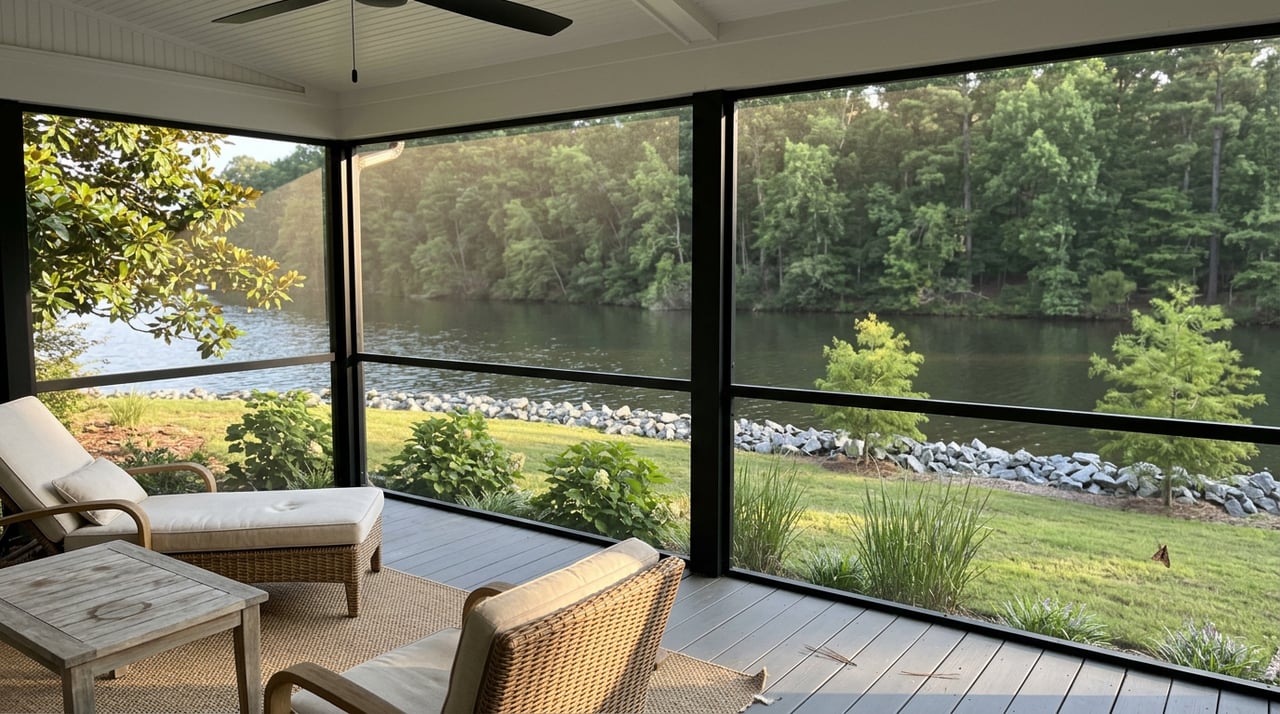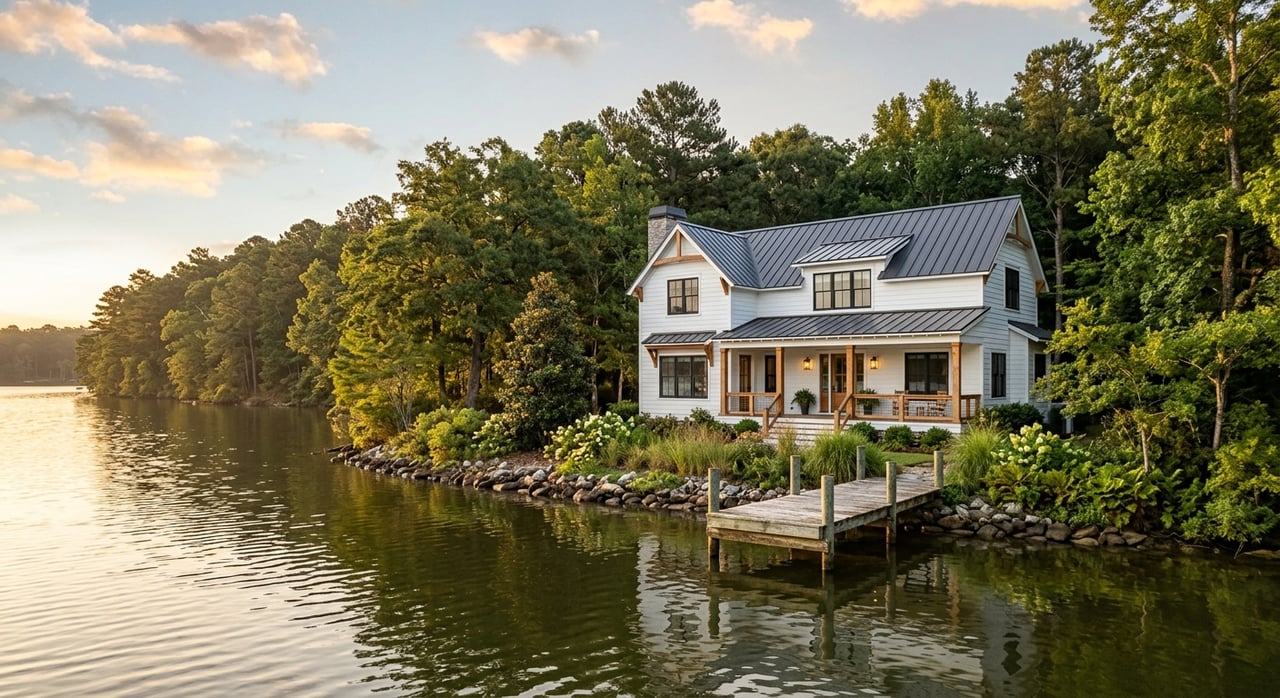
If you have ever wondered why two Lake Gaston waterfront homes can look similar on paper but carry very different price tags, the answer is often the shoreline itself. At River Lakes and across Lake Gaston, a home’s position on the main lake, in a cove, or up a creek can shape views, boating access, dock use, and long-term resale. If you are buying, selling, or simply trying to understand value more clearly, this guide will help you see what really drives pricing. Let’s dive in.
Why location on the water matters
Lake Gaston is not a small or uniform body of water. It stretches about 34 miles, has roughly 350 miles of shoreline, and reaches a maximum width of about 1.3 miles, which means waterfront experiences can vary quite a bit from one property to the next.
That matters in River Lakes because buyers are not just comparing square footage and finishes. They are also comparing water view, wave exposure, boat access, shoreline condition, and what they can legally do with a dock or boathouse. On Lake Gaston, those details can meaningfully affect both list price and resale strength.
How main-lake homes are priced
Main-lake frontage often commands the strongest attention from buyers. In many cases, that translates into a higher price because buyers value broad views, quicker access to open water, and an easier fit for larger boats.
Main-lake homes also tend to appeal to buyers who picture the full Lake Gaston boating lifestyle. With marinas located around the shoreline and activities like boating, tubing, wakeboarding, and jet skiing popular on the lake, easy access to wider water can be a major value signal.
What buyers usually pay for
When a buyer pays more for a main-lake home, they are often paying for a combination of features, including:
- Wider water views
- Faster runs to open water and marinas
- Better suitability for larger boats
- A more dramatic waterfront setting
Still, main-lake frontage is not automatically the top value in every case. A home on an exposed point may offer stunning views, but some buyers see more wake, less shelter, and less privacy as tradeoffs.
Why not every main-lake lot wins
At Lake Gaston, the premium is not about the label alone. Value depends on how that lot compares with other recent waterfront sales and how it performs in real life.
Warren County’s appraisal guidance supports this approach by emphasizing comparable sales along with factors like location, water view, topography, amenities, and restrictions on water improvements. In other words, a main-lake address helps, but usable features still do the heavy lifting.
How cove homes fit the market
Cove homes often sit in the middle of the pricing range, and for many buyers that is a sweet spot. A cove can offer calmer water, more shelter from boat wake, and a setting that feels easier for swimming, floating, or paddling.
In River Lakes, that calmer daily use can be a strong selling point. If a cove is near the main channel and still has good depth and access, it may compete very well with more exposed waterfront options.
Why some coves sell exceptionally well
A deep, navigable cove near its mouth can check a lot of boxes at once. You may get quieter water for everyday enjoyment without giving up too much convenience when you want to head out onto the main lake.
That balance matters in pricing. Buyers often respond well to a property that feels protected but still practical, especially if the dock setup is straightforward and the shoreline is easy to use.
How creek homes are priced
Creek homes are usually the quietest and most private option. For some buyers, that peace and separation are highly desirable, especially if they want a slower pace and less boat traffic outside the dock.
The challenge is that creek properties can vary more from one home to the next. The farther back a lot sits, the more likely you may see tighter maneuvering room, shallower water, or more limited dock flexibility.
What affects creek-home value most
With creek frontage, buyers tend to focus less on the category and more on usability. Questions about water depth, turning room, and how comfortably a boat can reach and leave the dock often shape pricing more than the word “creek” itself.
That means a well-positioned creek home can still resell well. If the water is deep enough for the intended boat, the dock is properly permitted, and access feels workable, the home may perform much better than a buyer first expects.
The biggest pricing factor: usable waterfront
One of the most important value drivers on Lake Gaston is not just where the home sits, but how usable the shoreline really is. A beautiful lot can lose appeal quickly if the dock situation is uncertain or if water depth limits how the property can be enjoyed.
For many buyers, the real question is simple: can you actually use the waterfront the way you want to? That includes the legal side and the practical side.
Shoreline rules affect value
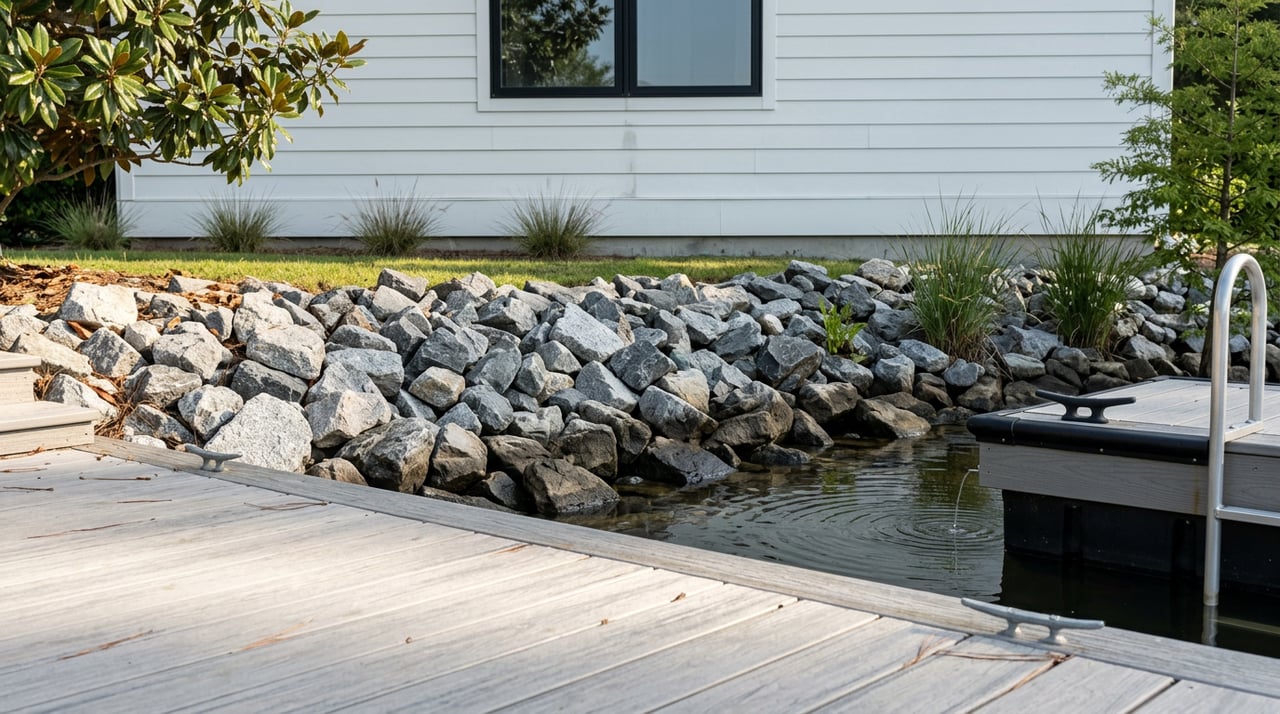
Dominion’s shoreline program governs items like docks, boathouses, riprap, dredging, and vegetation work. It also limits each waterfront parcel to one dock and boathouse combination and sets rules for how far a structure can extend into a cove or creek.
That means shoreline improvements are part of the value story, not just an extra feature. If a buyer wants certain waterfront uses, permit status and transferability should be reviewed early.
Permit transfers matter
Dominion’s permit-transfer process requires proof of ownership along with drawings or photos of the structure. If a dock or boathouse cannot be cleanly documented and transferred, that can create uncertainty during a sale.
For pricing, uncertainty often reduces confidence. For resale, clear paperwork and legal usability can help a property stand out.
Water depth and lake levels matter too
Lake Gaston is normally operated around 199 to 200 feet above sea level. During flood-control operations, water levels can temporarily affect docks and yards depending on the elevation of the property.
That is why depth and elevation should be part of any pricing conversation in River Lakes. A home that works well at normal pool but becomes less convenient during lower or changing water conditions may be viewed differently than a similar home with more consistent usability.
Questions to answer before setting price
Before you list a home or decide whether an asking price makes sense, it helps to confirm a few practical details:
- Water depth at normal pool
- Water depth during lower conditions
- Shoreline condition
- Dock or boathouse permit status
- Whether the permit can be transferred
- Any community or HOA rules that affect shoreline use
These details help explain why two homes with similar frontage can command different prices.
How River Lakes sellers should think about pricing
If you are selling in River Lakes, the goal is not to assume a flat premium based on main lake, cove, or creek. The better approach is to compare your property to truly similar sales and then adjust for the features buyers care about most.
That includes your view, your lot shape, your water depth, your dock setup, your shoreline condition, and any restrictions that affect waterfront use. In a lake market, accurate pricing is usually about the complete waterfront package.
A practical pricing mindset
A strong pricing strategy usually starts with three questions:
- How does your waterfront live day to day?
- How does it compare to recent nearby sales?
- What waterfront features can be clearly documented for buyers?
When you can answer those questions well, your pricing story becomes easier for buyers to trust.
What River Lakes buyers should watch closely
If you are buying in River Lakes, it helps to look beyond the listing description. Terms like main lake, cove, and creek are useful, but they do not tell you everything you need to know about daily use or long-term value.
A cove home may outperform a main-lake home for your lifestyle if you want calmer water and easy swimming. A creek home may be a smart buy if privacy matters most and the water depth supports the kind of boating you plan to do.
Focus on fit, not just category
The best waterfront purchase is often the one that matches how you will actually use the property. A buyer who wants broad views and quick open-water access may value one type of lot very differently than a buyer who wants protected water and a quieter setting.
That is why pricing at Lake Gaston is rarely one-size-fits-all. The location category matters, but the real value comes from how the shoreline functions for the next owner.
Why local waterfront expertise helps
At Lake Gaston, pricing is not just about bedrooms, bathrooms, and acreage. It is about combining comparable sales with shoreline rules, water access, elevation, and practical dock use.
That is especially true in places like River Lakes, where neighborhood guidelines, dock policies, and community rules can influence what a buyer can legally do with the waterfront. Getting those details right can protect value on the front end and reduce surprises later.
If you want help understanding how your main-lake, cove, or creek property fits today’s market, Scott Watson can help you evaluate the shoreline details that matter and build a pricing strategy around real Lake Gaston conditions.
FAQs
How are main-lake homes priced at Lake Gaston?
- Main-lake homes often price higher because buyers tend to value wider views, easier access to open water, and stronger fit for larger boats, but comparable sales and usable waterfront features still matter most.
Do cove homes in River Lakes hold their value well?
- Cove homes can hold value well when they offer good water depth, practical dock use, and convenient access to the main channel along with calmer day-to-day water conditions.
Are creek homes harder to sell on Lake Gaston?
- Creek homes are not automatically harder to sell because many buyers like the privacy and quieter water, but depth, maneuvering room, and dock usability can affect demand and pricing.
What shoreline feature affects Lake Gaston value the most?
- One of the biggest factors is the combination of legal shoreline usability and actual water depth, because buyers want to know they can use the dock and waterfront as intended.
What should sellers in River Lakes verify before listing a waterfront home?
- Sellers should confirm water depth, shoreline condition, dock or boathouse permit status, transfer requirements, and any HOA or community rules that could affect waterfront use.
Do lot size and acreage control waterfront price at Lake Gaston?
- Not by themselves, because local appraisal guidance shows waterfront value depends more on comparable sales, location, water view, topography, amenities, and restrictions than acreage alone.