Wondering if there’s a “right” month to land your Lake Gaston home in River Lakes? You’re not alone. Waterfront markets have a rhythm shaped by the boating season, and timing your search can change what you pay, how much you can choose from, and how smoothly the process goes. In this guide, you’ll learn how the Lake Gaston cycle works, what to expect in each season, and a simple 3–6 month plan to shop, tour, and write offers with confidence. Let’s dive in.
Lake Gaston seasonality at a glance
Spring (March–May) brings the most new listings as sellers position for boating season. Buyer demand also rises, which can push list prices higher and shorten decision timelines. Early summer (June–July) keeps activity strong because you can see docks, water depth, and neighborhood energy in full swing.
Late summer and early fall (August–October) often start to ease as families shift to school schedules. Some sellers who missed spring will list now, and a few may price to move before winter. Late fall and winter (November–February) tend to have fewer listings and fewer buyers. The tradeoff is that sellers who list in the off‑season usually have a reason to sell, which can open the door for better terms.
Inventory vs. competition tradeoff
- If you want the widest selection, target early spring. You’ll see more options in River Lakes and across Lake Gaston, but you’ll likely face faster timelines and more competition.
- If you want negotiating leverage, aim for late fall or winter. You’ll sift through a smaller pool, but you may secure better pricing, credits, or favorable contingencies.
- If you want to test on‑water usability, plan at least one visit in late spring or summer when lake activity and water levels feel typical.
Off‑season touring benefits
Why off‑season can work in River Lakes
The off‑season lets you tour without the summer rush and see how homes handle cold, wet weather. With fewer buyers in the mix, sellers are often more open to concessions or flexible closing timelines. Inspectors and contractors also tend to have better availability, which can speed up due diligence.
What to check in winter visits
- Water level variability. Ask about typical seasonal levels and note depth at the dock relative to normal summer conditions.
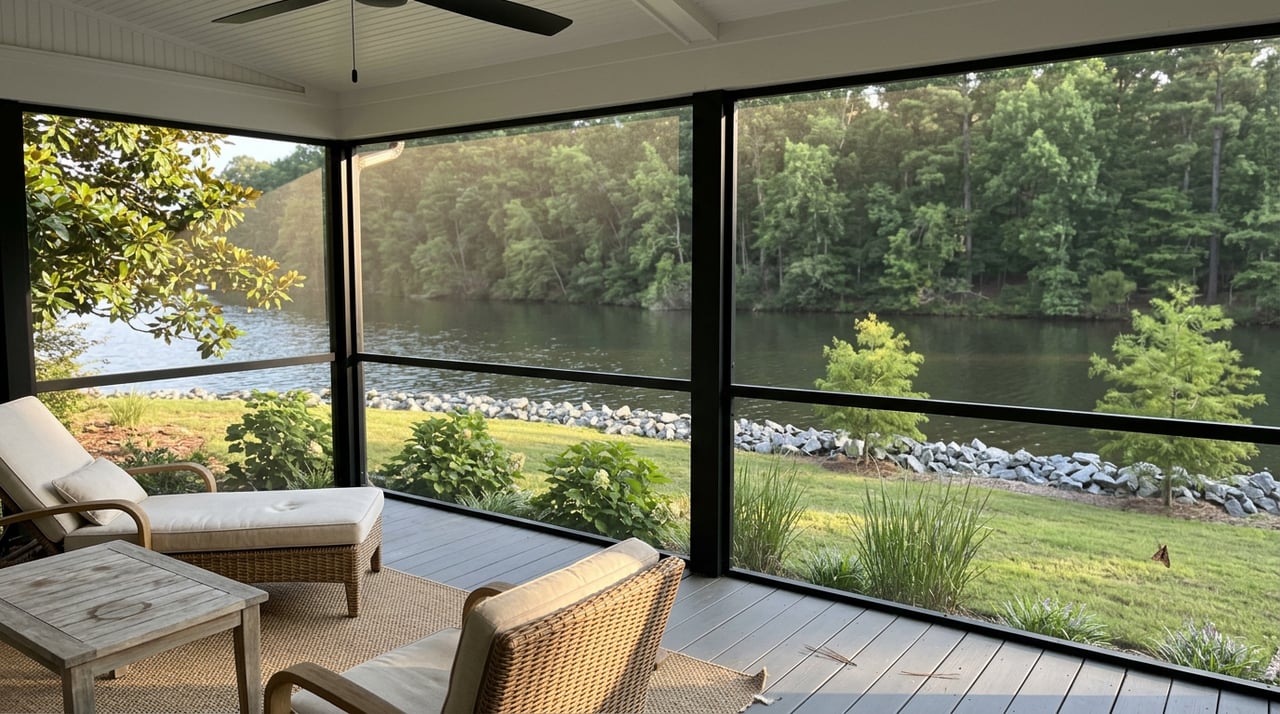
- Shoreline and erosion. With vegetation down, it’s easier to spot erosion, riprap issues, or seawall wear. Get repair estimates early.
- Dock and boathouse condition. Look for rot, rust, loose connections, and permit compliance. Many problems are easier to see when the dock isn’t in constant use.
- Roads and access. Winter weather can reveal drainage and maintenance concerns on private drives.
- Utilities. Confirm performance of wells and septic systems in colder conditions.
Waterfront inspection checklist
- Dock/boathouse inspection and permit history
- Shoreline/seawall condition and erosion mitigation history
- Water depth at the dock and historical changes
- Riparian rights and property lines at the water’s edge
- Flood zone status and insurance premium estimates
- Septic inspection, well testing, and water quality
- Structural integrity of foundation, pilings, and shoreline structures
- Shoreline vegetation and tree stability
- Year‑round road access and maintenance
- HOA/POA covenants, dock rules, and rental restrictions
Your 3–6 month plan to buy
Days 1–14: Set the foundation
- Get fully pre‑approved with a lender experienced in waterfront properties.
- Define must‑haves vs. nice‑to‑haves. Be specific about dock type, lot size, rental potential, and year‑round access.
- Set up precise saved searches and instant alerts focused on River Lakes and the surrounding Lake Gaston shoreline.
- Assemble your local team: a buyer’s agent who knows Lake Gaston, a marine/dock contractor, a septic/well inspector, a surveyor familiar with riparian lines, and an insurance broker who can quote flood coverage.
Weeks 2–8: Tour and verify
- Tour current inventory. If your timeline allows, schedule one visit off‑season and one in a more active month.
- Pull property‑specific reports: flood zone determination, permitting history, and any prior surveys.
- Line up specialized inspections when a property interests you. Plan for septic, well, and dock evaluations.
- Confirm HOA/POA rules and any policies for rentals, boat slips, and marina access.
Months 2–4: Prepare to act
- If shopping into spring, expect faster decisions. Consider tactics like tighter timelines or escalation clauses when appropriate.
- If shopping in the off‑season, use standard contingencies and explore seller credits for known shoreline or dock work.
- Keep your financing documents organized and ready. Waterfront appraisals can take longer due to limited comparable sales.
If you’re buying in winter
You may find motivated sellers and better terms. Balance that with the reality that spring can bring fresh choices. If you want to be settled by boating season, begin active searching in late winter to close by spring.
If you’re buying in spring or summer
Plan for more inventory and more competition. Be ready to tour quickly and submit clean, timely offers.
Final 30–60 days: Close smoothly
- Lock in homeowners and flood insurance early. Premiums and requirements can vary with flood zone and elevation.
- Verify dock transfer or permits and schedule any immediate repairs before peak season.
- Plan for seasonal maintenance: seawall care, erosion control, and dock upkeep.
Smart search and alerts
Where to set alerts
- MLS through your agent provides the fastest, most reliable feed and price‑change notifications.
- Public home‑search sites can supplement alerts but may lag behind MLS. Treat them as a backup.
- Local channels like community groups or marina boards can surface off‑market opportunities.
Must‑use filters and keywords
- Geography: draw a focused search around River Lakes and nearby Lake Gaston shoreline.
- Features: waterfront, private dock or boathouse, riparian rights, lot size, year built, and seller concessions.
- Alerts: new listing, price drop, back on market, and pending returning to active.
- Notification speed: set to immediate so you don’t miss early showings.
Pro tips from your agent
Ask about pocket or upcoming listings. Some sellers plan for spring but will consider early offers.
Request real‑time MLS alerts to your phone, not just email digests.
Build relationships with local listing agents and marinas; local intel can surface chances before a property is widely marketed.
Costs, financing, and insurance timing
Financing for waterfront homes can involve extra documentation and unique appraisal considerations. Give yourself cushion in contingencies so lenders and appraisers have time to verify shoreline features and comparable sales. If mortgage rates are a concern, monitor rate trends and discuss lock options early.
Insurance planning should start at the first sign of serious interest. Confirm flood zone status and get flood insurance estimates, especially if the home sits in a Special Flood Hazard Area. Some insurers require additional inspections or have exclusions for waterfront risks, so build that into your timeline. Don’t forget property taxes, HOA/POA fees, and any shoreline assessments when budgeting.
When is the best time?
- For the most choice: Early spring typically offers the widest selection across River Lakes and greater Lake Gaston. Be ready to move quickly.
- For stronger negotiating power: Late fall and winter can yield better terms and more flexible sellers, though you’ll see fewer listings.
- For on‑water confidence: Tour at least once in late spring or summer to evaluate water depth, dock usability, and neighborhood activity.
Bottom line: The best time to buy is the season that aligns with your priority. If you value selection, lean into spring. If you value terms, explore the off‑season. If you value on‑water proof, plan for a summer visit.
Ready to explore River Lakes?
If Lake Gaston living is on your list, you deserve a local partner who understands docks, flood exposure, shoreline rules, and how to position your offer in any season. Let’s craft a plan that fits your 3–6 month timeline and your goals in River Lakes. Connect with Scott Watson to get started.
FAQs
Is winter the cheapest time to buy on Lake Gaston?
- Often you can negotiate better deals in late fall and winter because there’s less competition, but inventory is smaller and the ideal property may not be available.
When is inventory highest around River Lakes?
- Early spring typically brings the most new listings and the widest selection, especially March through May.
Should I tour in summer to evaluate docks and water depth?
- Yes. Late spring and summer show typical water levels, dock usability, and neighborhood activity so you can judge on‑water conditions accurately.
How do I evaluate a dock on Lake Gaston?
- Bring a marine/dock contractor to inspect pilings, connections, and decking; verify permit history and confirm whether the dock transfers with the property.
What contingencies matter for River Lakes waterfront homes?
- Include dock transfer/permit review, septic inspection, well water testing, flood elevation verification, and a survey or riparian boundary confirmation.